
Spurge olive
Cneorum tricoccon
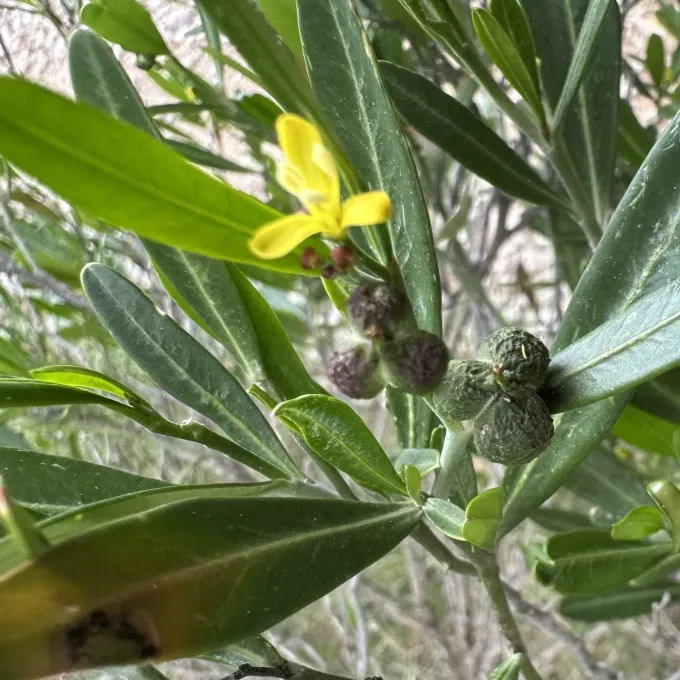
Description
Sowing dates
Sowing Cneorum tricoccon seeds is best performed in the autumn to allow for necessary stratification. This process breaks seed dormancy and ensures a more uniform germination rate in the spring.
For container-based cultivation, use a lightweight, gritty medium. Seeds should be sown at a shallow depth of approximately 1 to 2 centimeters to ensure adequate oxygen access during the initial stages.
Maintaining consistent but light moisture is critical. Excessive water can lead to seed rotting, so ensure your seed tray has excellent drainage capabilities and is placed in a well-ventilated area.
Germination is typically slow and can take several months. A temperature range between 15 and 20 degrees Celsius is optimal for the development of healthy seedlings.
Once seedlings have developed their second set of true leaves, they should be carefully transplanted into individual pots. Gradual hardening-off is necessary before introducing them to full outdoor sunlight.
Growing requirements
The Spurge olive is a perennial shrub belonging to the Rutaceae family. It is native to the Mediterranean basin, where it thrives in rocky, limestone-rich soils under full sun exposure.
This species is highly adapted to arid conditions and is considered a quintessential xerophyte. It requires well-draining soil and cannot tolerate stagnant water, which often causes fatal root damage.
Climate requirements for this plant include long, warm summers and mild, frost-free winters. In colder climates, it must be grown in containers and moved to a greenhouse during winter months.
The growth rate of Cneorum tricoccon is remarkably slow. Its compact, evergreen foliage makes it a popular choice for Mediterranean-style landscaping and ornamental rock gardens.
Minimal fertilization is required for this plant. A light application of a balanced, slow-release fertilizer in early spring is usually sufficient to support healthy growth throughout the season.
Main diseases and pests
The primary threat to the Spurge olive is root rot, triggered by overwatering or poorly drained soil. Symptoms include chlorosis of the foliage and sudden wilting of the branches.
Pests such as scale insects may affect plants grown in confined or poorly ventilated conditions. These insects settle on the stems and leaves, extracting sap and weakening the plant's structural integrity.
To manage pests, use a cotton swab dipped in rubbing alcohol to remove individual insects. For larger infestations, insecticidal soaps or horticultural oils can be applied cautiously.
Preventative fungal care involves keeping the foliage dry and ensuring high airflow around the plant. Avoiding high-humidity environments is the best strategy for disease management.
Regular monitoring of the plant's health is essential for early detection of issues. A well-placed plant in its preferred habitat rarely suffers from serious pest or disease pressure.