
Cneorum pulverulentum
Cneorum pulverulentum
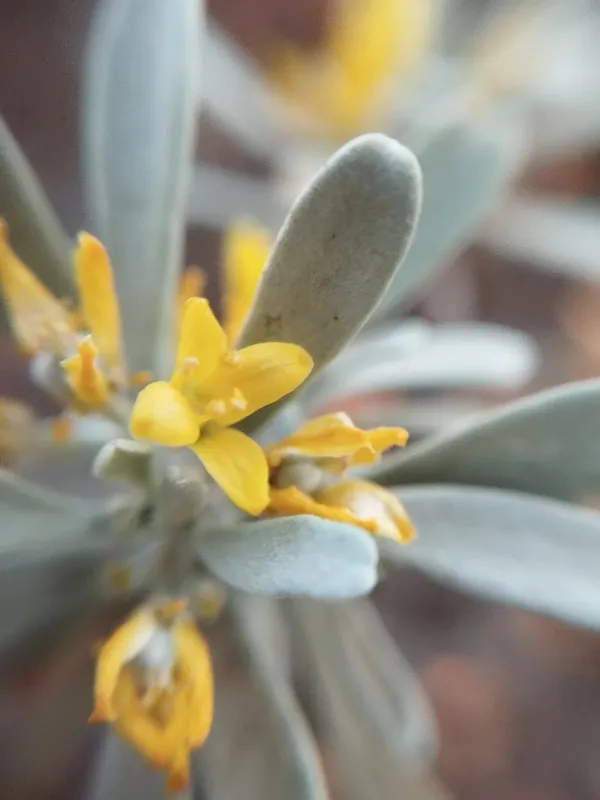
Description
Sowing dates
Propagation of Cneorum pulverulentum is typically achieved through seeds or semi-hardwood cuttings. Sowing seeds immediately after harvest in autumn ensures the highest germination rates for this unique species.
The seeds should be sown in a well-draining, sandy-based substrate. It is crucial to maintain a consistent environment with temperatures ranging between 18 and 22 degrees Celsius to support early growth stages.
Cuttings are best taken in late spring or early summer. Selecting healthy, semi-mature stems and treating them with rooting hormones significantly enhances the success rate of propagation.
Young seedlings should be kept in a nursery environment with moderate light until they are sufficiently robust for transplanting. Careful handling of the root ball during repotting is essential to prevent shock.
Establishing the plants in their final location requires choosing a period with stable, warm weather. This promotes quick adaptation and ensures the root system is well-settled before the onset of extreme seasonal changes.
Growing requirements
Cneorum pulverulentum belongs to the Rutaceae family and is native to the Canary Islands. It is characterized by its adaptability to harsh, rocky, and sun-drenched environments.
The plant thrives in full sun, requiring at least six to eight hours of direct exposure daily. Insufficient light levels can negatively affect its characteristic foliage density and overall health.
Soil requirements are strict regarding drainage. It is imperative to cultivate this species in porous, alkaline soils. Heavy or clay-heavy soils must be amended with gravel or perlite to avoid waterlogging.
Watering frequency should be minimized, as the plant exhibits xerophytic tendencies. Irrigation is only required when the growing medium has dried out completely throughout the container or soil depth.
Fertilization should be handled with caution. A light application of a balanced, low-nitrogen fertilizer during the spring growth flush is sufficient to maintain the plant's vigor without encouraging leggy growth.
Main diseases and pests
Fungal diseases are the primary threat, often resulting from poor airflow or excessive soil moisture. Root rot is particularly dangerous and is usually caused by inadequate drainage management.
Insect pests, such as mealybugs and spider mites, may colonize the foliage in poorly ventilated greenhouse environments. These pests can severely weaken the plant if left untreated.
Integrated pest management, involving early detection and the use of insecticidal soaps or neem oil, is the recommended approach for maintaining plant health in a sustainable manner.
Sanitation practices play a vital role in disease prevention. Regularly removing dead or decaying foliage prevents the accumulation of pathogens and creates a healthier microclimate around the plant.
Monitoring for signs of chlorosis or leaf drop is essential, as these symptoms are often the first indicators of underlying soil pH imbalances or improper moisture levels in the root zone.