
Cloezia floribunda
Cloezia floribunda
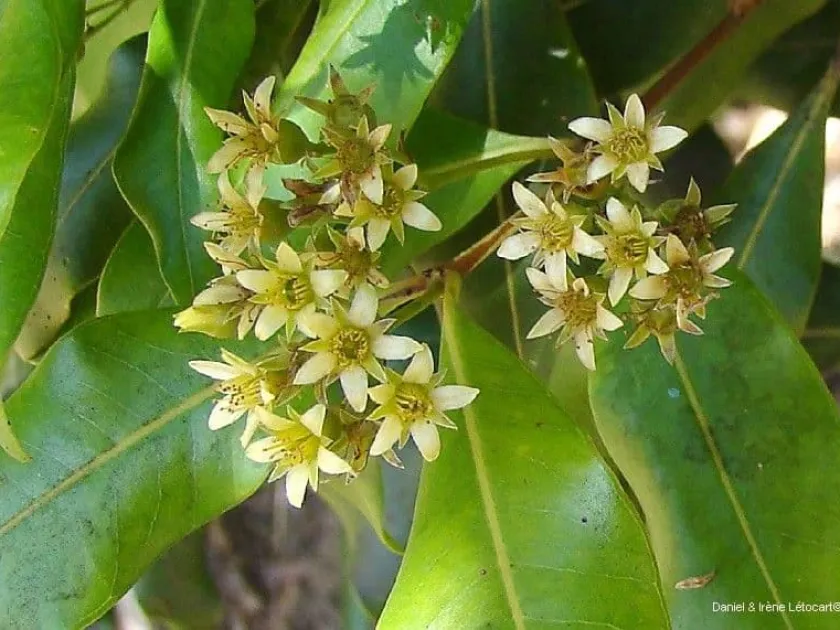
Description
Growing requirements
Cloezia floribunda is a distinct member of the Myrtaceae family, endemic to the unique island environments of New Caledonia. This evergreen species is known for its abundant flowering patterns in its native habitat.
Agronomically, this plant requires soils derived from ultramafic rocks. These substrates are chemically unique, providing high concentrations of iron and magnesium, which are essential for the plant's metabolic functions.
Climate requirements involve high humidity and tropical temperature regimes. The plant thrives in environments that avoid frost and extreme heat, mimicking the stable maritime conditions of the South Pacific.
Soil drainage is perhaps the most critical factor for successful cultivation. The root system is highly intolerant of waterlogging, which often leads to rapid decline and mortality in controlled environments.
Maintenance in botanical or nursery settings requires careful monitoring of pH levels. The plant prefers neutral to slightly acidic soils, and any deviation in chemical balance can lead to significant nutrient uptake issues.
Main diseases and pests
Root rot, driven by moisture-retaining soil conditions, is the primary biological threat. Fungal pathogens such as Phytophthora can cause irreversible damage to the root collar of the specimen.
Pests typical for the Myrtaceae family, such as mealybugs and scale insects, frequently target this species. They cluster on stems and leaf axils, causing stunted growth and providing entry points for secondary infections.
Nutrient deficiency, specifically related to the lack of endemic soil minerals, results in chlorosis. This condition presents as yellowing leaves and reduces the plant's overall photosynthetic capacity.
Airborne fungal pathogens can cause leaf spots in confined greenhouse environments with poor circulation. Regular pruning to ensure canopy airflow is recommended to reduce these risks.
Conservation and cultivation efforts require a balanced approach. Using integrated pest management techniques, such as biological controls, is preferred to prevent the accumulation of toxic residues in the soil.