
Butterfly pea
Clitoria ternatea L.
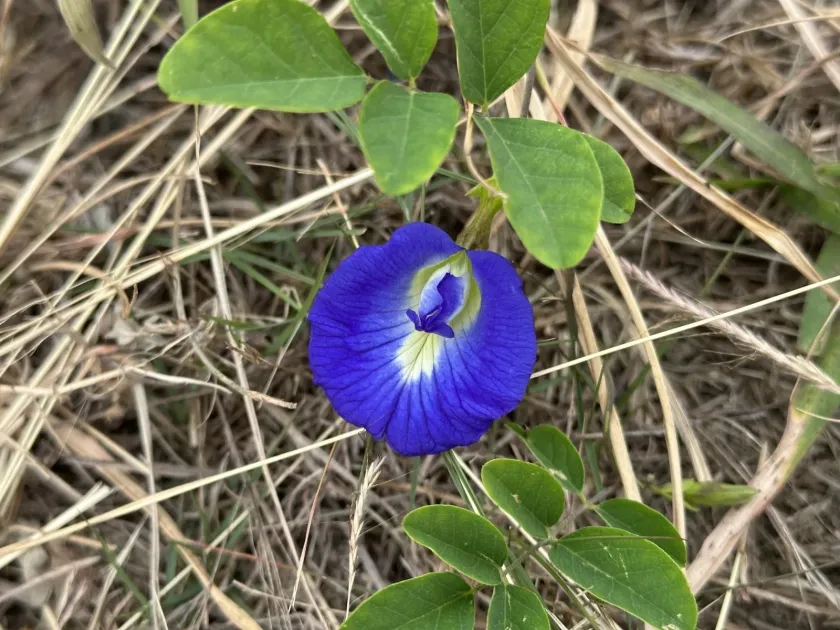
Description
Sowing dates
Butterfly pea is a tropical perennial legume that thrives in warm climates, requiring temperatures consistently above 20°C for optimal germination and growth.
In temperate regions, it is often cultivated as an annual crop, started indoors in greenhouses before being transplanted once the threat of frost has passed.
Seed scarification is essential before sowing, as the seeds have a hard, water-resistant coat that delays natural germination processes in soil.
Seeds should be planted at a depth of 1–2 cm in well-draining soil, ensuring consistent moisture levels until seedlings become established.
Spacings are typically adjusted based on the intended purpose, with wider rows for seed production and closer spacing for intensive flower harvesting.
Growing requirements
As a member of the Fabaceae family, Clitoria ternatea requires well-draining soil with a pH ranging from 6.0 to 7.5 for optimal nutrient uptake.
The plant is highly responsive to nitrogen-fixing nodules, which benefit the overall soil fertility and reduce the need for synthetic nitrogen fertilizers.
High sunlight exposure is mandatory, as this crop requires significant light energy to drive the production of its characteristic anthocyanin-rich blue flowers.
While the plant is somewhat drought-tolerant once mature, consistent water availability is necessary to maintain high flower yields throughout the season.
Protection from strong winds is recommended, as the vines are delicate and require support structures like trellises for better vertical development.
Yield
Under optimal management, flower yields can exceed several hundred kilograms of dried product per hectare, making it a lucrative specialty crop.
The harvest efficiency of flowers is significantly boosted by the continuous blooming habit of the plant, which lasts for several months in tropical zones.
Biomass production for green manure or livestock forage is substantial, often reaching over 15 tons per hectare when harvested in the peak vegetative stage.
Seed yields vary depending on local pollinator activity, which plays a crucial role in pod setting and the final volume of harvestable mature seeds.
Quality control is vital; flowers must be harvested at the correct maturity level to ensure the highest concentration of medicinal and cosmetic pigments.
Main diseases and pests
Common agricultural pests include spider mites and aphids, which frequently target young tender shoots, necessitating early detection and biological control.
Fungal diseases, such as root rot, often appear in fields with poor drainage or excessive soil compaction, leading to sudden wilting of mature vines.
Leaf spot diseases can compromise the aesthetic quality of the foliage, which is particularly problematic if the crop is intended for herbal tea markets.
Integrated pest management (IPM) practices, including crop rotation and the use of botanical insecticides, are recommended to maintain high yield quality.
Weed management is critical during the first month of establishment to prevent competition for essential soil nutrients and light in the early growth stages.
Harvesting
Hand-harvesting is the standard practice for flower collection, as mechanical methods often damage the delicate petals and degrade the final product quality.
The best harvest timing is during the early morning hours, as this preserves the intensity of the natural pigments before excessive sun exposure.
Post-harvest processing involves rapid dehydration at low temperatures to lock in the beneficial anthocyanins and prevent microbial growth during storage.
When harvesting seeds, pods should be allowed to dry naturally on the vine until they turn brown and brittle before collection and threshing.
Proper storage in airtight, dark containers is necessary to prevent humidity and light from causing the flowers to lose their vibrant blue coloration over time.