
Clitoria fairchildiana
Clitoria fairchildiana
Description
Growing requirements
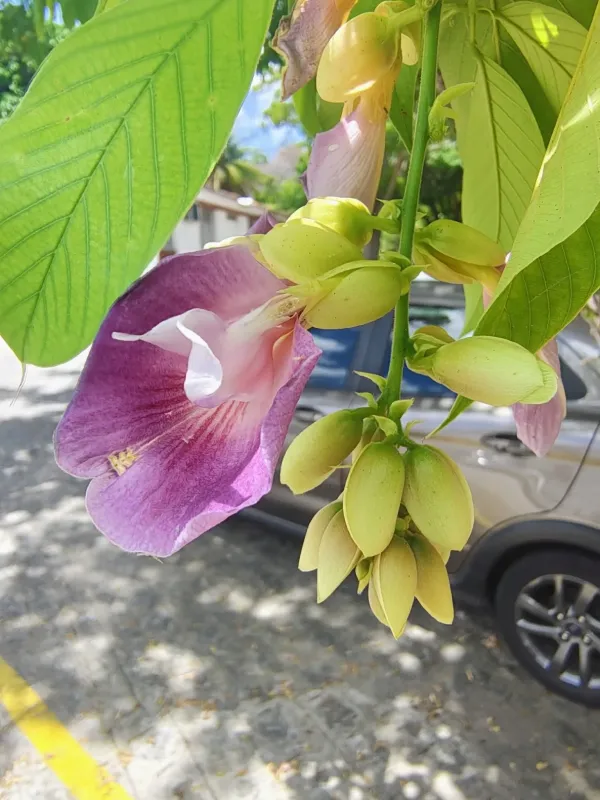
Clitoria fairchildiana is a striking leguminous tree (family Fabaceae) native to the tropical regions of South America. It is widely recognized for its beautiful, broad, umbrella-shaped canopy and large, distinctively shaped flowers, which make it a popular choice for shade and aesthetics.
The tree thrives in tropical climates where temperatures remain consistently warm throughout the year. It requires full sunlight to develop its characteristic canopy shape and will show stunted growth if planted in overly shaded or cold environments.
Regarding soil requirements, the species prefers deep, fertile, and well-drained soils. While it is adaptable to various soil types, poor drainage can be fatal, as the root system is sensitive to waterlogging and the associated risk of fungal infections.
Good agricultural practice for this species focuses on moisture management and pruning. Regular watering is essential during the establishment phase, while periodic pruning of lower branches helps maintain the desirable umbrella form and improves air circulation through the canopy.
Economically and environmentally, this tree is valued for its nitrogen-fixing capabilities, which improve soil health. It is primarily used in urban landscaping, street plantings, and botanical gardens to provide shade and visual interest in tropical and subtropical regions.
Main diseases and pests
Common health issues involve root rot and stem decay caused by pathogenic fungi. These typically occur when the soil lacks proper drainage or when the tree is subjected to excessive rainfall without adequate ventilation around the base.
In terms of pests, the tree can be targeted by scale insects, aphids, and various foliage-eating caterpillars. Maintaining tree vigor through proper fertilization and avoiding excessive crowding of plants are the best preventative measures against pest outbreaks.