
Clinopodium suaveolens
Clinopodium suaveolens
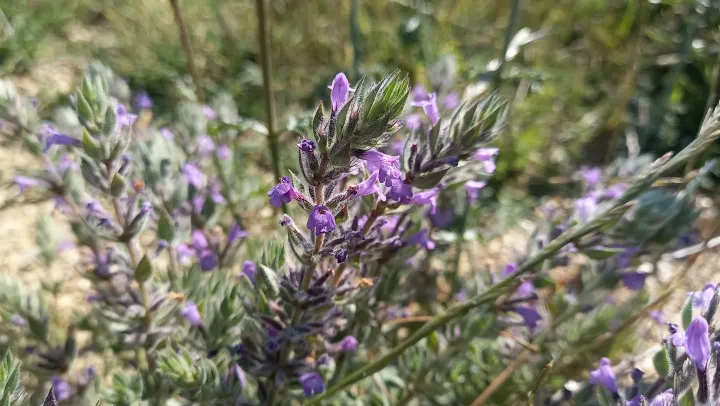
Description
Sowing dates
Clinopodium suaveolens is a perennial herbaceous plant belonging to the Lamiaceae family, known for its aromatic properties and medicinal potential.
Propagation is typically achieved through seeds sown in early spring, once the danger of late frost has passed and the soil has sufficiently warmed up.
For greenhouse cultivation, seeds are sown in trays during late winter, ensuring a light and well-draining growing medium for optimal germination.
The seeds are small and should be sown near the surface, covered by a thin layer of soil, and kept consistently moist until the seedlings emerge.
Transplanting into the field should be done carefully to avoid disturbing the root system, spacing plants at least 30 centimeters apart for proper growth.
Growing requirements
This crop thrives in sunny locations with full sun exposure, which is critical for maximizing the production of aromatic essential oils in its foliage.
Well-drained, sandy loam soils are ideal for this species, as stagnant water is detrimental to the plant's health and increases the risk of root rot.
Clinopodium suaveolens exhibits excellent drought tolerance, yet supplemental irrigation during prolonged dry spells ensures higher biomass yield.
Soil preparation involves autumn ploughing and the incorporation of organic matter to improve structure and provide necessary nutrients for the growing season.
Weed control is essential, particularly in the first few weeks after sowing, to ensure that the small seedlings are not overtaken by competing vegetation.
Yield
The yield of green biomass depends on the age of the crop and environmental conditions, generally stabilizing after the plant is fully established in the second year.
Effective management and fertilization practices significantly enhance both the quantity and quality of the aromatic harvest collected each season.
Main diseases and pests
Common issues include fungal pathogens like powdery mildew, especially if the planting density is too high or the ventilation is restricted.
Insect pests, including aphids and spider mites, can damage leaves, requiring integrated pest management strategies to keep the crop healthy.
Harvesting
Harvesting is performed during the peak flowering stage to ensure the highest concentration of active ingredients and essential oils in the plant tissues.
Plants are cut at a specific height above the ground to encourage regrowth, ensuring that the primary root structure remains intact for the following seasons.
Post-harvest processing involves drying the plant material in shaded, well-ventilated areas to prevent the loss of volatile compounds due to heat or sun exposure.