
Clinopodium menthifolium
Clinopodium menthifolium
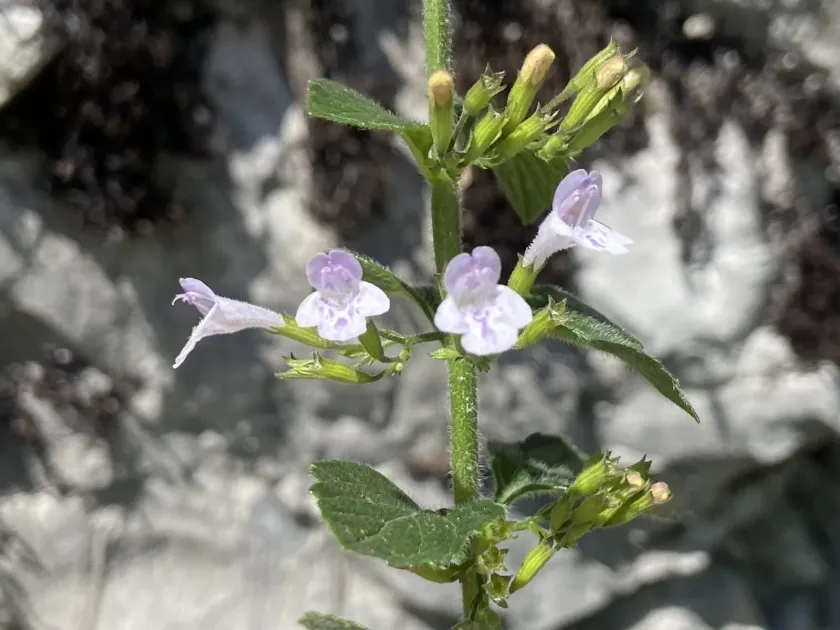
Description
Sowing dates
Sowing Clinopodium menthifolium outdoors should be performed in spring once the soil temperature reaches 10–12 degrees Celsius, typically occurring between April and May. Late autumn sowing is also a viable option in temperate climates to ensure early germination in the following season.
The seeds require a period of stratification lasting 3–4 weeks at approximately 4 degrees Celsius. This process is essential for breaking dormancy and significantly improving germination rates under field conditions.
For greenhouse or nursery production, seeds are sown in trays during March, maintaining an ambient temperature of 20 degrees Celsius. Seedlings should be pricked out at the two-leaf stage to encourage robust root development before transplanting into the open field.
Planting density should aim for 10–15 plants per square meter in rows spaced 45–50 centimeters apart. This spacing ensures adequate air circulation and provides sufficient room for mechanical weeding and general maintenance of the crop.
Seeds should be sown at a shallow depth of 0.5–1 centimeter, as they are very fine and require light exposure to facilitate optimal germination and early development after emergence from the soil.
Growing requirements
Clinopodium menthifolium, a member of the Lamiaceae family, thrives in sunny locations while appreciating partial shade during peak afternoon heat. The crop is sensitive to waterlogging, making well-drained soil essential for its health and survival.
Light, well-draining sandy or loamy soils with a neutral to slightly alkaline pH are ideal for cultivation. The plant struggles in heavy, compacted clay soils, which promote root rot due to restricted oxygen availability to the rhizosphere.
While the plant is relatively drought-tolerant once established, regular and moderate irrigation is recommended during the vegetative stage to maximize biomass production. Excessively dry conditions can reduce the yield of aromatic essential oils.
The plant demonstrates good tolerance to temperature fluctuations, but in colder climates, light mulching or covering is advisable to protect the root crown from severe frost damage during winters with little snow cover.
Incorporating organic matter such as compost or well-rotted manure into the soil during autumn preparation is highly beneficial. During the active growing season, potassium-rich mineral fertilizers are recommended to enhance the biosynthesis of aromatic compounds.
Yield
The yield of Clinopodium menthifolium biomass is highly dependent on agricultural management practices. Under optimal conditions, growers can expect 5 to 8 tons of raw biomass per hectare for a single full harvest in one growing season.
The dry matter yield typically ranges from 1.5 to 2.5 tons per hectare. The accumulation of volatile compounds peaks during the full flowering phase, which is the most critical time for harvesting to ensure high-quality product output.
As a perennial crop, a single planting can remain productive for 4–6 years. After this period, productivity naturally declines, necessitating field renovation through root division or the replacement of aging plants with new stock.
Effective weed control is a primary factor in maintaining yield. Competition from weeds during the early establishment phase can reduce biomass yields by 20–30 percent, so early-season cultivation is vital for maintaining crop vigor.
Drip irrigation systems are highly effective for stabilizing yields in regions prone to seasonal moisture deficits. By maintaining consistent soil moisture, farmers can ensure steady growth rates and consistently high concentrations of essential oils.
Main diseases and pests
Fungal diseases, particularly powdery mildew and root rot, represent the most significant threat to Clinopodium menthifolium, especially in environments with high humidity and poor airflow. Proper spatial management and soil drainage are the best preventative measures.
Pests such as aphids can cause substantial damage to young shoots, leading to stunted growth and reduced photosynthetic capacity. Infestations often necessitate immediate intervention to prevent the spread of viral pathogens often vectored by sucking insects.
Leaf-eating insects, including various lepidopteran larvae, can cause aesthetic and quantitative damage to the foliage. Regular scouting of the field is necessary to identify and manage pest populations before they reach economic injury levels.
Crop rotation is essential for disease management. It is strongly advised not to plant Clinopodium menthifolium after other Lamiaceae members to minimize the buildup of soil-borne pathogens and specific pests associated with this plant family.
When pest or disease outbreaks occur, organic-compliant biological controls should be prioritized. Synthetic pesticides are generally avoided to ensure the purity of the final herb product, which is often destined for medicinal or culinary markets.
Harvesting
The harvest should occur during the full flowering stage, as this is when the essential oil concentration is highest. Depending on the local climate, this usually takes place between July and August when the blooms are fully developed.
Plants are harvested by cutting the stems at a height of 10–15 centimeters above the soil surface. Ideally, harvesting should be done on dry, sunny days after the morning dew has evaporated to prevent mold growth during the drying process.
Immediately after cutting, the biomass must be moved to a drying facility. Drying should occur in shaded, well-ventilated areas or in controlled-temperature dryers at no more than 40 degrees Celsius to prevent the loss of volatile aromatic oils.
Once the stems become brittle, the drying process is complete. The dried herb should then be processed or packaged in airtight containers to preserve its characteristic aroma and quality for the duration of the storage period.
A second, smaller harvest may be possible towards the end of the season if weather conditions allow for regrowth. However, secondary harvests often contain lower concentrations of active compounds and are usually considered lower grade.