
Clinopodium graveolens
Clinopodium graveolens
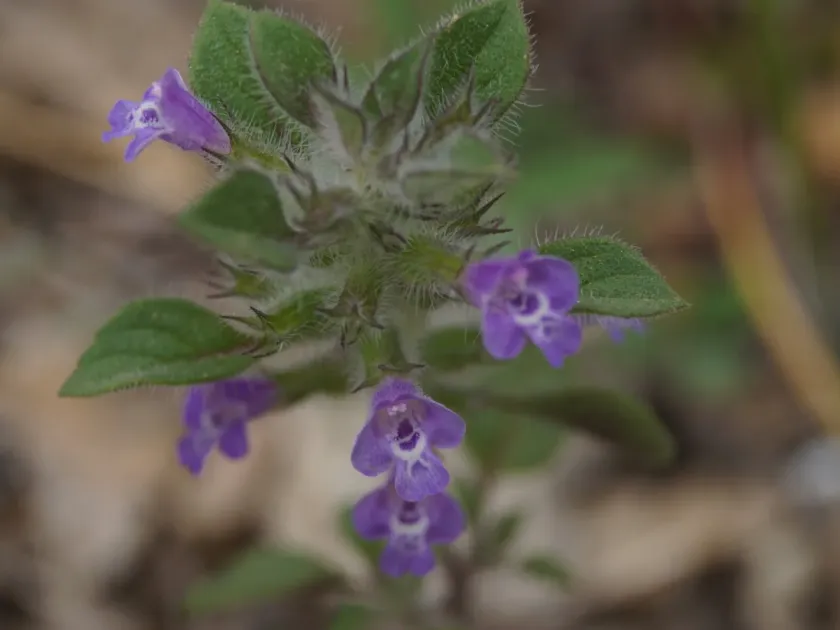
Description
Sowing dates
Sowing Clinopodium graveolens is typically carried out in early spring once soil temperatures reach 10-12 degrees Celsius. For uniform germination, seeds should be sown at a depth of no more than 1-2 centimeters, ensuring firm contact with the soil medium.
When using the seedling method, seeds are sown in trays during March, with transplanting into the field occurring only after the danger of late frost has passed. This early start allows the crop to adapt efficiently to open field conditions.
Row spacing should be maintained at 45-60 centimeters to facilitate mechanical inter-row cultivation. The optimal plant density depends heavily on soil fertility and the specific mechanical equipment intended for harvest.
Stratifying seeds at low temperatures for 2-3 weeks prior to sowing can significantly improve germination energy. This practice results in more synchronized plant development across the entire field.
As a perennial species, the crop can remain productive for 5-7 years if proper management practices are followed. Early-stage weed control is critical, as seedlings exhibit slow initial growth rates and are highly susceptible to competition.
Growing requirements
Clinopodium graveolens thrives in sunny locations with light, well-draining soils rich in calcium. It is extremely sensitive to moisture stagnation, making hillside sites or elevated plots the best choice for cultivation.
Sandy loam or light loamy soils with a neutral to slightly alkaline pH are ideal. Acidic soils can significantly retard plant development and negatively impact the biosynthesis of essential oils.
While the plant is notably drought-tolerant, moderate irrigation during the active vegetative growth phase is essential for maximizing biomass yields in a commercial setting. Excessive nitrogen application should be avoided as it often lowers oil quality.
The species is generally winter-hardy in temperate zones; however, mulching the root system during snowless winters is advised to prevent frost damage. Good aeration of the site is vital to prevent fungal infections.
Within a crop rotation cycle, the best precursors are row crops or cereals that leave the soil free of perennial weeds. This plant is not demanding regarding heavy mineral fertilizer applications, preferring balanced nutrients.
Yield
Green mass yield is directly influenced by climatic conditions and plant density. Under intensive cultivation practices, a grower can typically expect a yield of 15-20 centners of dry herb per hectare.
The essential oil content serves as the primary economic indicator for this crop. Oil concentrations vary depending on the timing of harvest and the plant's phenological stage, reaching peak levels during mass blooming.
Harvesting can be conducted in two cycles if weather conditions allow for rapid regrowth. While the second flush of growth is usually less voluminous, it contributes significantly to the total annual biomass yield.
The quality of the raw material is determined by the ratio of inflorescences to total mass. High leafiness and flower content ensure that the harvested material meets the stringent standards of the pharmaceutical and cosmetic industries.
To maintain long-term productivity, periodic inter-row loosening and autumnal rejuvenating pruning are necessary. These practices stimulate the development of vigorous new shoots for the following season.
Main diseases and pests
Root rots are the most significant threat to Clinopodium graveolens, usually occurring due to excessive soil moisture and poor drainage. These pathogens spread quickly in stagnant conditions, potentially ruining entire stands.
Powdery mildew may occur if humidity is high and airflow within the canopy is restricted. Proper plant spacing and thinning of dense sections are effective preventive measures against such outbreaks.
Aphids and spider mites are the primary pests, causing damage by feeding on young leaves and flower buds. Such infestations lead to shoot deformation and a significant decline in the overall quality of the harvest.
Integrated pest management, favoring biological controls and botanical insecticides, is encouraged to maintain the ecological purity of the medicinal product. Heavy chemical interventions should be avoided.
Adhering to strict crop rotation practices is the most reliable method to prevent soil-borne pathogens. It is generally advised not to plant the same species on the same field more frequently than once every four years.
Harvesting
Harvesting should take place during the peak of flowering, when the concentration of essential oils in the plant tissues is at its highest. Optimal timing requires dry, sunny weather, specifically after the morning dew has evaporated.
Cut herb must be transported immediately to a drying facility to prevent self-heating and the loss of volatile aromatic compounds. Drying should occur in shaded, well-ventilated structures at temperatures not exceeding 40 degrees Celsius.
To ensure healthy regrowth for subsequent cuts, the cutting height should be at least 10-15 centimeters above the ground. Mechanized harvesters are highly efficient for large-scale operations if adjusted for height.
The finished raw material should retain its natural color and intense characteristic aroma. Post-drying, the product must be cleaned of foreign impurities and milled to the specific fraction required by end-users.
Proper storage in paper bags or airtight containers in a cool, dry warehouse is essential. This protects the aromatic compounds from moisture absorption and degradation over time.