
Aloiampelos ciliaris
Aloiampelos ciliaris (Haw.) Klopper & Gideon F. Sm.
Description
Sowing dates
The propagation of Aloiampelos ciliaris is most effectively achieved through stem cuttings. This method ensures that the new plants retain the characteristics of the parent specimen.
The best time to take cuttings is during the active growth phase, typically in spring or early summer, when the plant has sufficient energy reserves.
Once cut, the stems should be left in a dry, shaded area for 3–5 days to allow the cut ends to callous properly, reducing the risk of fungal infections upon planting.
Cuttings should be inserted into a coarse, well-draining succulent soil mix. Light moisture is required, but the medium should never be waterlogged during the rooting process.
Seed propagation is also an option, though it is less common for standard commercial cultivation due to the slow growth rate of seedlings in their first year.
Growing requirements
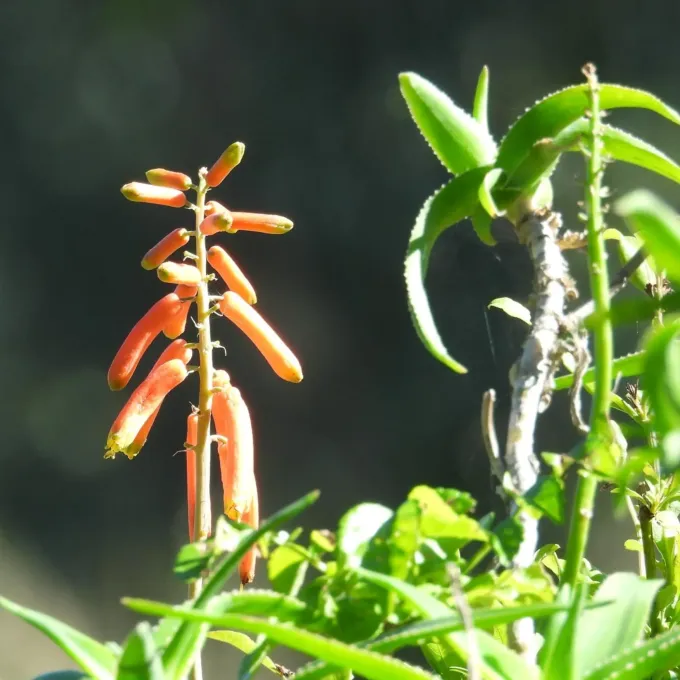
Aloiampelos ciliaris, belonging to the Asphodelaceae family, is a climbing succulent native to the Eastern Cape of South Africa, known for its rapid growth.
This crop demands high light exposure to maintain its structural integrity. In lower light, the stems become elongated and weak, significantly impacting the plant's health.
The soil must have exceptional drainage. A mix consisting of standard potting soil amended with pumice, perlite, or coarse sand is essential to prevent root asphyxiation.
Watering practices should be strictly controlled: the substrate must dry out completely between waterings. Excessive moisture, especially in winter, is the primary cause of failure.
Temperature management is critical; while it tolerates warm climates, it must be protected from hard frosts, which can cause severe damage to the fleshy leaves and stems.
Main diseases and pests
Mealybugs are the most common pests encountered. They hide in the leaf axils and the densely packed stem areas, sucking plant sap and weakening the structure.
Scale insects can also infest the stems, creating hardened protective shells that make manual removal or chemical treatment challenging without careful attention.
Root rot, induced by overwatering and poor aeration, remains the most devastating condition, often leading to rapid tissue decay and eventual plant death.
Fungal leaf spots can occur if there is inadequate air circulation in the growing environment, particularly during high-humidity periods in the spring.
- Regular inspection of the plant's core.
- Ensuring adequate airflow.
- Avoiding overhead irrigation.
- Using systemic insecticides if necessary.