
Cliffortia paucistaminea
Cliffortia paucistaminea
Description
Growing requirements
Cliffortia paucistaminea is a woody shrub belonging to the Rosaceae family. Native to the unique ecosystems of South Africa, it is perfectly adapted to the challenging environmental conditions of the fynbos biome.
The plant thrives in acidic, well-draining soils with low nutrient content. It exhibits a remarkable ability to survive in rocky or sandy terrain, making it an interesting candidate for specific horticultural applications in Mediterranean climates.
Regarding climatic requirements, the plant demands abundant sunlight and moderate ventilation. It is sensitive to high humidity and waterlogged substrates, which can inhibit its natural physiological processes and development.
Agrotechnical practices should focus on preserving the soil structure. Because the species is adapted to nutrient-poor environments, excessive nitrogen application is discouraged, as it may negatively impact the shrub's structural integrity and resistance to stress.
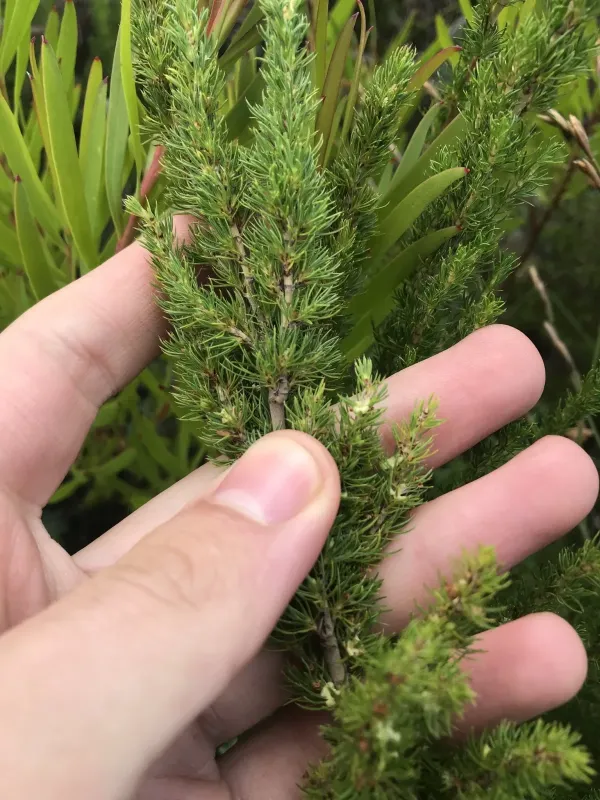
The botanical structure of the plant features specialized foliage designed for water retention. Its compact growth habit and consistent foliage color make it an attractive specimen for dry landscape gardening where irrigation must be strictly controlled.
Main diseases and pests
The primary threats to Cliffortia paucistaminea in a managed environment are related to fungal pathogens. Root rot caused by poor soil drainage is the most significant risk, often leading to rapid decline in plant health.
Insect pests such as scale insects and spider mites are common concerns. These pests thrive in dry conditions and can cause significant damage to the plant's vascular system if left unmanaged.
Cultural control remains the most effective strategy. Providing proper air circulation around the shrub and maintaining strict control over irrigation timing are essential to prevent the onset of fungal diseases.
When infestation occurs, early intervention is critical. Use of specialized acaricides or soft soap solutions for smaller populations is often more effective and less toxic than broad-spectrum systemic insecticides.
Regular monitoring of the foliage and stem junctions is advised. Maintaining a clean environment around the base of the plant by removing debris helps reduce the population of pests and fungal spores.