
Clerodendrum heterophyllum
Clerodendrum heterophyllum
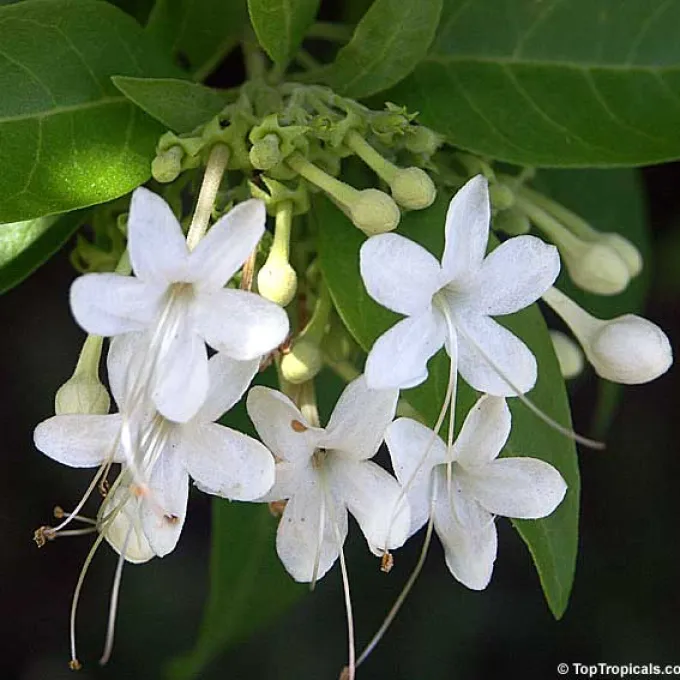
Description
Growing requirements
Clerodendrum heterophyllum is a perennial shrub belonging to the Lamiaceae family. It is native to the Mascarene Islands and parts of East Africa, where it thrives in tropical environments characterized by high humidity and consistent warmth throughout the year.
Successful cultivation requires a climate that strictly avoids temperatures below 10°C, as the plant is highly sensitive to frost. Ideal growing conditions include partial shade or bright filtered light, which helps to maintain the vitality of its unique foliage structure.
Regarding soil requirements, the species performs best in well-drained, nutrient-rich substrates that mimic forest floor conditions. A neutral to slightly acidic pH is preferred, and maintaining a consistent moisture level without allowing waterlogging is essential for root health.
Agricultural management involves regular fertilization during the growing season to support its vigorous development. Pruning is a critical maintenance task, helping to manage plant size and encouraging denser vegetative growth in controlled greenhouse environments.
The economic value of this culture is primarily found in the ornamental plant industry. Due to its distinctive flowers and attractive growth habit, it is frequently used as a decorative specimen in tropical landscape designs and conservatory collections.
Main diseases and pests
The primary pests affecting Clerodendrum heterophyllum include spider mites and whiteflies, which often colonize the underside of the leaves. Maintaining proper air circulation and humidity levels helps to discourage these pests from establishing significant populations.
Pathogenic threats generally involve fungal infections resulting from poor drainage or inadequate light levels. Proactive management includes checking the substrate moisture status and ensuring the plant has adequate space to prevent the spread of fungal spores between neighboring specimens.