
Cleome hassleriana
Cleome hassleriana
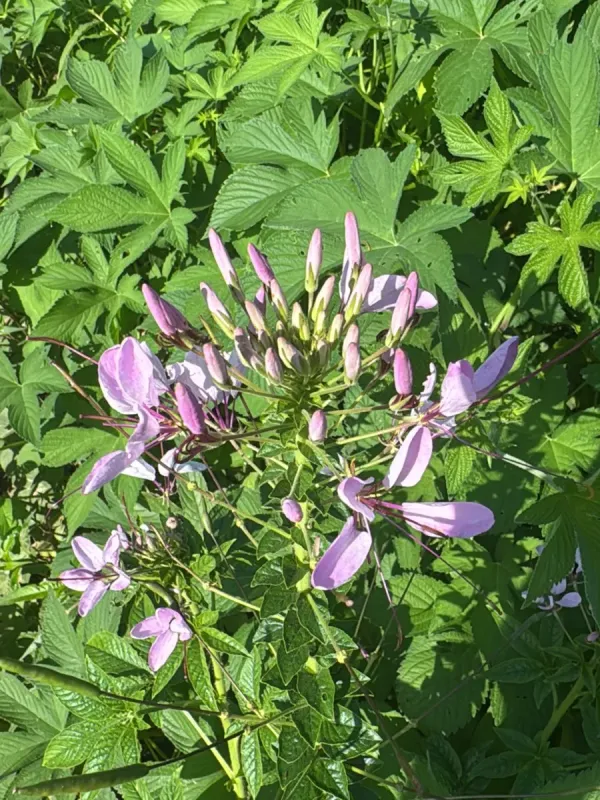
Description
Sowing dates
Seeds of Cleome hassleriana are typically sown indoors in March to give the plants a head start for the growing season. The best time for transplanting into the garden is when the risk of spring frost has completely passed, usually in late May.
To improve germination rates, it is recommended to soak the seeds or use growth stimulants, as they can sometimes be slow to sprout. Sowing depth should not exceed 1 centimeter, and maintaining consistent moisture and warmth is crucial during this period.
Using individual peat pots for seedlings is highly advised, as the plant is sensitive to root disturbance during transplanting. This method ensures that the root system remains intact, facilitating a smoother transition to the permanent flower bed.
When sowing directly into the garden, a spacing of at least 40 to 50 centimeters between plants is required. Proper spacing allows for adequate airflow and prevents competition for sunlight, which is vital for this heliophilic species.
Choose the sunniest spot in your garden for sowing, as this plant requires intense light to develop its characteristic large, spider-like flower heads and sturdy stems.
Growing requirements
Cleome hassleriana is an annual herbaceous plant from the Capparaceae family, native to tropical regions of South America. It thrives in light, well-drained, and nutrient-rich soils with a neutral or slightly acidic pH level.
The plant requires regular but moderate watering; it is essential to avoid waterlogging the roots, which can lead to rapid decay. Balancing moisture levels is key to maintaining the plant's health throughout the hot summer months.
To ensure vibrant and continuous blooming, apply complex mineral fertilizers during the active vegetative growth phase. Feeding the plants every two weeks significantly improves their resistance to environmental stress and enhances floral production.
The plant can grow quite tall, so in areas prone to strong winds, it may require some form of staking. Providing support prevents the stems from bending or snapping during heavy blooming periods, keeping the flower display upright.
The ideal temperature range for this species is between 20 and 25 degrees Celsius. While it handles heat well, sharp temperature drops can slow down development, so selecting a site sheltered from cold winds is beneficial for growth.
Main diseases and pests
Fungal diseases are the primary threat to Cleome hassleriana, particularly powdery mildew and various types of rot. These infections often occur in environments with high humidity and poor air circulation around the plants.
Aphids and spider mites are the most common pests that can infest the foliage, especially when the plant is under stress from drought or nutrient deficiency. Frequent inspection of the leaves helps in early detection and control.
Good agricultural practices, such as maintaining proper spacing and avoiding overhead watering, serve as the first line of defense against disease. Preventing overcrowding is essential to ensure that leaves dry quickly after rain.
If an infestation or fungal issue is detected, systemic insecticides or fungicides should be applied according to the manufacturer’s instructions. It is also important to remove any heavily affected plants to prevent the spread of spores.
Weed management is a crucial part of plant maintenance, as weeds often host pests that can migrate to your flowers. Keeping the surrounding area clean and mulched helps maintain the overall health of the garden bed.