
Clematicissus striata
Clematicissus striata
Description
Growing requirements
Clematicissus striata is a vigorous evergreen vine belonging to the Vitaceae family. Originating from South America, specifically regions in Chile and Argentina, this plant naturally thrives in moist forest environments. It is characterized by its slender, flexible stems that climb using tendrils to reach sunlight.
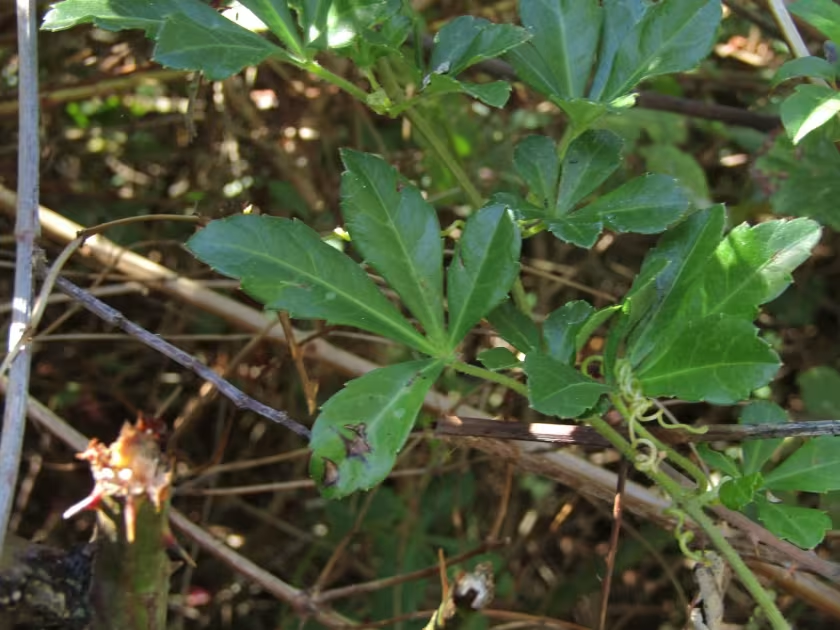
The botanical structure of the plant features distinct palmately compound leaves that provide a lush, textured appearance. Its growth habit is rapid, making it an excellent candidate for covering surfaces or creating green partitions. The plant's ability to adapt to varying light conditions makes it a favorite among indoor gardeners.
Successful cultivation requires bright, indirect light to prevent leaf scorching while maintaining active metabolic processes. The ideal climate should mimic tropical or subtropical conditions with moderate humidity levels. Providing a sturdy trellis or support structure is essential, as this vine naturally seeks to climb and sprawl.
Soil requirements focus on high organic content mixed with perlite or coarse sand to ensure excellent drainage. While the plant appreciates consistent moisture, it is vital to allow the surface soil to dry slightly between waterings to prevent root rot. Seasonal fertilization with a balanced liquid feed helps sustain the plant's rapid growth cycle.
The primary horticultural use of Clematicissus striata is ornamental, particularly for vertical gardening in conservatories, indoor atriums, or sheltered garden walls. Its ability to create dense foliage walls makes it a valuable asset for aesthetic space management. Frequent pruning is necessary to manage its vigorous nature and keep the growth within desired bounds.
Main diseases and pests
Clematicissus striata is occasionally prone to spider mites and mealybugs, especially in indoor environments where air circulation may be limited. Frequent leaf inspections and periodic misting or washing of the foliage are recommended to prevent infestations. Using neem oil or mild insecticidal soaps serves as an effective control measure.
Fungal issues, particularly root rot, pose the most significant risk to the plant's health. This is typically caused by poorly draining soil or overwatering. Maintaining a strict watering schedule and ensuring that pots have adequate drainage holes are the most effective strategies to prevent root-based pathogens and keep the plant thriving.