
Cleistogenes squarrosa
Cleistogenes squarrosa
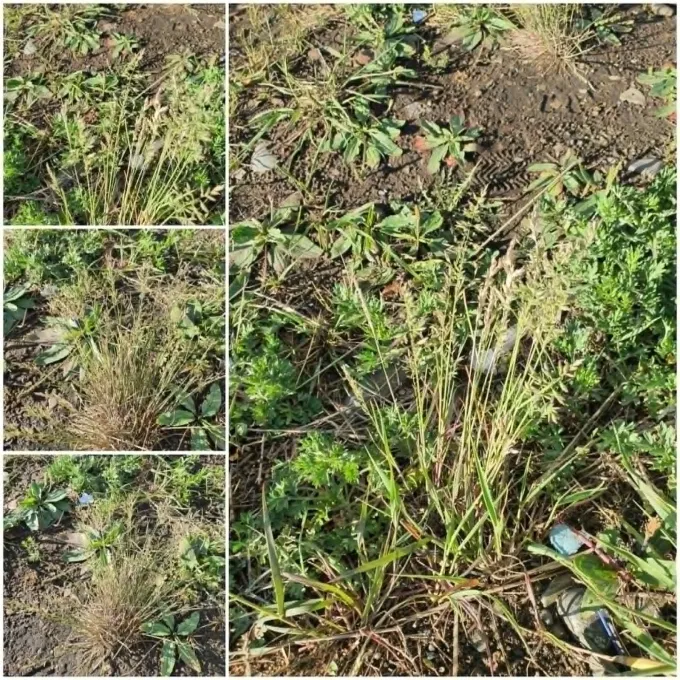
Description
Growing requirements
Cleistogenes squarrosa is a perennial grass belonging to the Poaceae family. It is native to the steppe and semi-desert regions of Eurasia, where it thrives in harsh climatic environments.
This species is highly adapted to arid conditions. It possesses an extensive root system that allows it to reach deep soil moisture, making it an extremely drought-tolerant plant.
It has low requirements for soil fertility and structure. It is frequently found on sandy, rocky, and saline soils, where it helps to stabilize the surface and prevent desertification.
As a light-loving plant, it requires full sun exposure for optimal growth and development. It does not tolerate prolonged waterlogging or high-shade environments.
The plant exhibits high ecological plasticity, adjusting its growth cycles based on the availability of precipitation during the spring and summer growing seasons.
Yield
The primary agricultural use of Cleistogenes squarrosa is as a forage plant in arid grazing lands. It provides essential pasture cover for sheep, goats, and camels in regions with limited vegetation.
The nutritional value of its foliage is sufficient for maintenance during the growing season. It is particularly valued for its ability to provide feed when other grasses have already gone dormant.
Yields are variable and strictly dependent on rainfall patterns. In well-managed pasture systems, the grass demonstrates an excellent capacity for regrowth after intensive grazing.
Beyond forage, it serves as a critical tool for land reclamation. Its dense root network binds the soil, making it a preferred species for combating wind erosion in sandy territories.
Harvesting for seed production requires careful monitoring of maturity, as the seeds tend to disperse quickly upon reaching full ripeness in the dry autumn air.
Main diseases and pests
Cleistogenes squarrosa is naturally resistant to many common cereal diseases. Its robust nature and evolutionary history in dry habitats provide a natural defense against most fungal pathogens.
The main pests affecting this species are typical steppe locusts and grasshoppers. In years of high infestation, these insects may graze on the foliage and damage reproductive structures.
During periods of excessive moisture, local fungal leaf spots may occur, but these rarely reach epidemic proportions in well-ventilated, open landscapes.
Preventative management involves avoiding overgrazing, which is the most common cause of stand thinning and subsequent vulnerability to secondary pests and invasive weeds.
Integrated pest management in such systems focuses on sustaining the natural balance, ensuring that the plant population remains healthy and resilient against environmental stresses.