
Clappertonia ficifolia
Clappertonia ficifolia
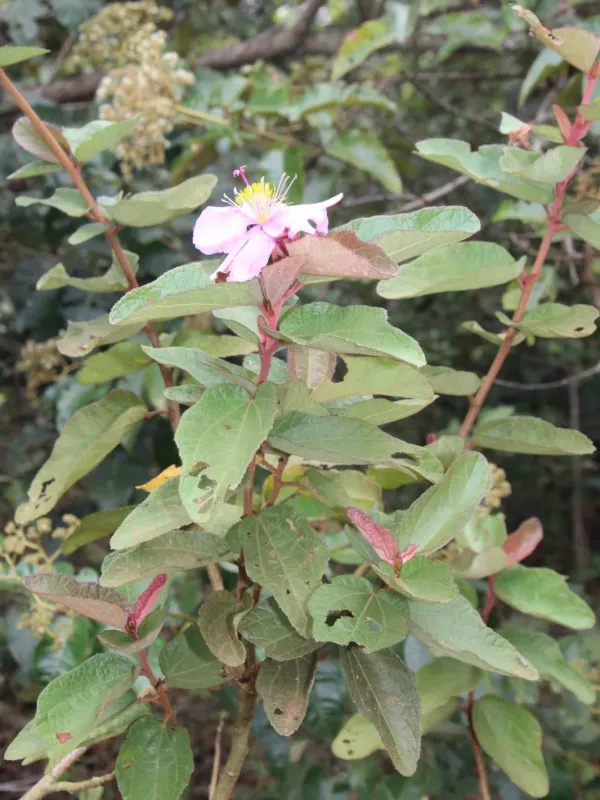
Description
Sowing dates
Clappertonia ficifolia is a tropical plant, and its sowing timing is strictly dictated by the onset of the rainy season. Early planting ensures that the crop benefits from sufficient moisture during its initial development stages.
Optimal germination occurs at soil temperatures ranging from 25°C to 30°C. Seeds should be sown at a shallow depth in well-prepared, friable soil to ensure maximum emergence rates.
Row planting is the standard method, allowing for efficient weeding and canopy management. Spacing should be calibrated to maintain a balance between plant density and individual growth potential.
In regions with predictable rainfall patterns, sowing is timed to allow the crop to reach maturity before the onset of extreme dry conditions, which could negatively impact fiber development.
Pre-treatment of seeds, such as soaking in clean water, is often practiced by farmers to break dormancy and ensure uniform seedling establishment across the field.
Growing requirements
As a member of the Malvaceae family, this species thrives in tropical climates characterized by high temperatures and significant annual precipitation. It requires a long growing season to reach its full height.
Fertile, well-draining soils are essential for high-quality production. While the plant requires plenty of moisture, it is sensitive to waterlogging, which can trigger root rot and stunt growth.
Full sun exposure is a non-negotiable requirement for optimal biomass production. Shady environments result in weak stems and lower fiber quality, making site selection critical for commercial success.
Soil nutrient status should be maintained through organic matter application or balanced fertilizers. Nitrogen is particularly important in the early growth stages to support rapid stem elongation.
Wind protection is beneficial as tall, thin stems can be susceptible to lodging under strong wind conditions, especially as the plant reaches its full height and weight.
Main diseases and pests
Fungal diseases such as leaf spots and root rots are the most prevalent threats, particularly during periods of high humidity or poor drainage. Proper spacing helps to mitigate these risks.
Pests typical of the Mallow family, including aphids and various lepidopteran larvae, can cause significant damage. Regular field scouting is necessary to identify infestations early.
Nematode infestations in the soil can significantly limit crop productivity. Implementing long-term crop rotation cycles is the primary strategy to manage these subsurface pests effectively.
Weed management during the first month is crucial. Young plants grow slowly and are easily outcompeted by aggressive grasses, necessitating manual or light mechanical weeding.
Biological controls are preferred over synthetic pesticides to preserve local biodiversity, especially in areas where Clappertonia is grown near natural ecosystems.
Harvesting
Harvesting is traditionally carried out during the peak flowering stage. This is the optimal time to maximize the yield and quality of the bast fibers contained within the stem bark.
Stems are cut manually or mechanically at the base. Once harvested, the stems are bundled and subjected to retting—the process of decomposing the softer tissues to release the fibers.
After retting, fibers are separated, washed, and dried in the sun. Proper drying is essential to prevent fiber degradation and to achieve the desired market color and strength.
The resulting fiber is strong and durable, suitable for various traditional and industrial uses, including the production of textiles, ropes, and artisanal handicrafts.
Sustainable waste management involves returning the woody cores and plant debris to the field as compost, which helps to recycle nutrients and improve the soil structure for future crops.