
Cistanthe longiscapa
Cistanthe longiscapa
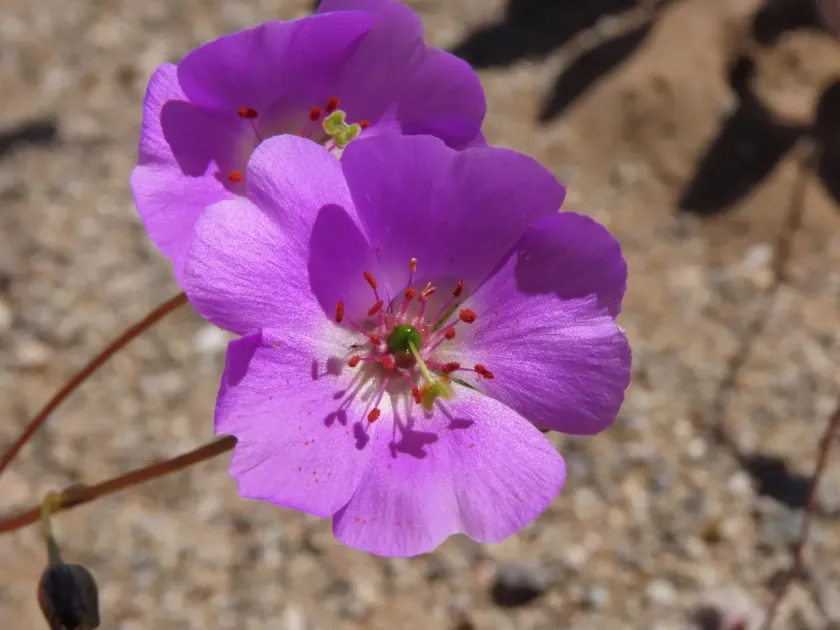
Description
Sowing dates
Cistanthe longiscapa, a member of the Montiaceae family, originates from the arid regions of Chile. In cultivation, seeds should be sown in a high-drainage sandy substrate that mimics its native desert environment.
The optimal sowing time is during the cool months, as this species naturally germinates following winter rains. Keep the substrate lightly moist but never waterlogged to ensure successful germination within a few weeks.
Surface sowing is recommended for this species because the seeds require a degree of light exposure to trigger the germination process effectively. Cover the seeds very lightly with a fine layer of coarse sand if necessary.
Temperature fluctuations are vital for stimulating seed dormancy breakage. A consistent drop in night-time temperatures relative to daytime warmth will significantly improve the overall germination rate.
Seedlings should be kept in a well-ventilated area to prevent damping-off diseases. Once they develop their first true leaves, reduce watering frequency to encourage the development of a robust root system.
Growing requirements
This succulent thrives under intense, full sunlight throughout the year. Providing insufficient light will cause the plant to etiolate, losing its compact form and making it prone to structural weakness.
The soil requirements are specific: a gritty, inorganic-heavy mix is essential. Avoid all peat-based or high-humus composts, as these hold moisture for too long and cause root decay.
Watering must be strictly regulated based on the plant's seasonal cycle. During the active growing period, water deeply but infrequently, ensuring the substrate is completely dry before applying more moisture.
In the dormant season, which typically follows the flowering period, the plant requires almost completely dry conditions. Proper airflow around the plant is critical to prevent humidity-related issues in indoor settings.
Minimal fertilization is required for this species. If necessary, use a diluted low-nitrogen succulent fertilizer only during the peak growing phase to avoid excessive, soft growth that is susceptible to pests.
Main diseases and pests
Root rot is the most significant threat to Cistanthe longiscapa. It occurs primarily due to poor drainage or overwatering during cool, low-light conditions, leading to rapid tissue death in the root zone.
Mealybugs are the most common pests, often hiding in the crevices between leaves. Regular inspection of the plant's base and leaf axils allows for early detection and manual control before infestation spreads.
Fungal leaf spot diseases can develop if the plant is subjected to poor air circulation and high humidity. Improving the environment by moving the plant to a drier, breezier location usually resolves these issues.
Spider mites may become an issue if the ambient air remains excessively dry and stagnant for extended periods. Periodic misting of the surrounding air, while keeping the plant dry, can act as a deterrent.
Pesticide usage should be handled with extreme care. Because this succulent has delicate tissues, only non-oil-based and diluted insecticides should be applied to avoid chemical burns on the foliage.