
Cibotium barometz
Cibotium barometz
Description
Growing requirements
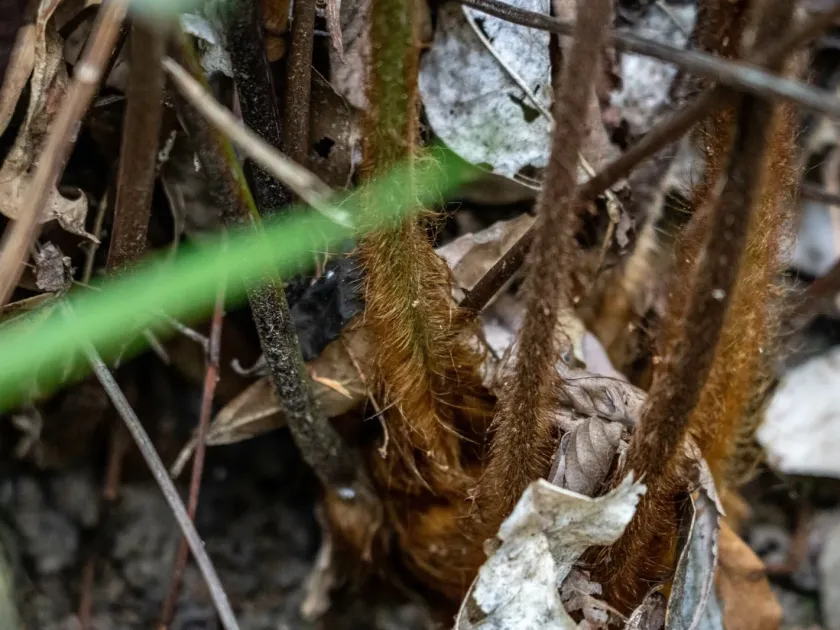
Cibotium barometz, also known as the golden chicken fern, is a large, tree-like species belonging to the Cibotiaceae family. It is most distinctive for its massive, woody rhizome covered in soft, golden-yellow hairs that resemble mammalian fur.
This species is native to the tropical forests of Southeast Asia, ranging from China to the Malay Peninsula. It thrives in humid, shaded environments where consistent tropical temperatures allow for steady, albeit slow, growth throughout the year.
Cultivation requires a well-draining, nutrient-rich, and slightly acidic potting mix. Proper aeration is crucial; the roots are sensitive to compaction and anaerobic conditions which can lead to rapid decay of the rhizome.
The plant requires high ambient humidity and protection from direct, intense sunlight. In greenhouse environments, filtered light is essential to prevent scorching of the delicate, large fronds that define the plant's structural beauty.
Watering should be consistent but careful. The substrate must remain moist to the touch but never waterlogged. Providing stable conditions without dramatic temperature fluctuations is key to maintaining the plant's health over many years.
Yield
The primary agricultural interest in Cibotium barometz lies in the pharmaceutical industry. The golden hairs covering the rhizome have historically been used in traditional medicine as a potent natural hemostatic agent to stop bleeding.
Commercially, the plant is cultivated in specialized nurseries to meet the demand for botanical material. The harvesting process involves careful extraction of the hair fibers without compromising the viability of the slow-growing plant.
Aside from medical use, the species is highly valued as a premium ornamental plant in tropical landscaping. Botanical gardens and private collections often include it as a centerpiece due to its ancient and imposing aesthetic.
Given the slow growth rate, commercial production is a long-term investment. Yield metrics focus on the density of the golden fibers and the overall health and symmetry of the plant's canopy.
Sustainable harvesting practices are essential, as wild populations are threatened. Controlled greenhouse cultivation helps alleviate the pressure on natural ecosystems by providing a steady supply of processed materials.
Main diseases and pests
Root rot caused by overwatering and poor drainage is the most significant threat to Cibotium barometz. Fungal pathogens can quickly spread through the porous rhizome if conditions are too stagnant.
Pests such as scale insects and mealybugs often hide within the dense, hair-like fibers of the rhizome, making manual removal difficult. Infestations can weaken the plant and reduce its aesthetic and medicinal value.
Inadequate humidity can cause the fronds to dry out and curl, leaving the plant vulnerable to secondary infections. Regular misting or the use of automated fogging systems is recommended in dry climates.
Light-related stress is a common issue when plants are incorrectly positioned. Too much light results in bleaching, while too little light leads to leggy growth and reduced vigor, weakening the plant's natural defense mechanisms.
- Use high-quality systemic fungicides at the first sign of root stress.
- Implement an integrated pest management program to monitor fiber-dense areas.
- Ensure a strictly controlled watering schedule based on substrate moisture levels.