
Christia obcordata
Christia obcordata
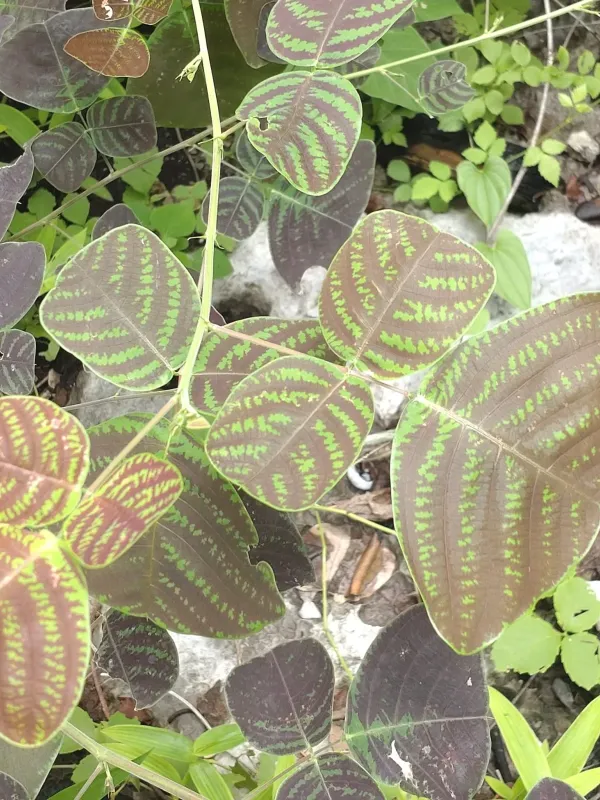
Description
Sowing dates
Sowing Christia obcordata seeds requires careful preparation, as they possess a hard seed coat. Scarification or soaking in warm water for several hours is recommended to improve germination rates before planting in a nutrient-rich substrate.
The optimal sowing time is spring, when temperatures are consistently warm. Seeds should be sown at a depth of approximately 0.5 to 1 cm in a sterile, well-draining potting mix to prevent early-stage damping-off.
Maintaining a constant soil temperature of about 23–25 degrees Celsius is critical for uniform germination. A propagator or plastic cover can be used to keep humidity levels high during the initial sprouting phase.
Once seedlings have developed at least two sets of true leaves, they can be transplanted into individual containers. Handle the roots with extreme care, as they are fragile and do not tolerate excessive disturbance during the early growth stages.
Ensure that the new containers have adequate drainage holes to prevent water accumulation. Gradually acclimate the seedlings to ambient light levels to avoid stress during the transition from the nursery environment.
Growing requirements
Christia obcordata, a member of the Fabaceae family, is renowned for its distinct, butterfly-shaped leaflets. Originating from the tropical regions of Southeast Asia, it thrives in warm, humid environments with stable climatic conditions.
This plant prefers bright, indirect sunlight. While it needs good light to maintain its vibrant coloration, direct midday sun can be harmful, causing leaf scorch and dehydration of the delicate foliage.
The soil should be light, airy, and slightly acidic. A mix consisting of peat moss, perlite, and high-quality potting soil creates the ideal balance between moisture retention and essential oxygen circulation around the root zone.
Humidity is paramount for this species. To mimic its native tropical habitat, keep the ambient humidity above 60 percent. Daily misting or the use of a humidifier is often necessary, especially in indoor environments.
Watering should be carried out when the top centimeter of the soil feels dry to the touch. It is vital to avoid letting the roots sit in standing water, as this species is highly susceptible to root decay and fungal infections.
Main diseases and pests
Fungal diseases are the primary threat to Christia obcordata, particularly in poorly ventilated or excessively humid areas. Anthracnose and various root rots are common if water management is not strictly controlled.
Pest issues often include spider mites, which thrive in low-humidity conditions. These pests can rapidly colonize the undersides of leaves, sucking sap and causing the foliage to fade, dry out, and eventually drop prematurely.
Mealybugs and aphids may also affect the plant, particularly if it is kept in a crowded greenhouse environment. Regular inspection of the plant's structure is necessary to catch infestations early before they become difficult to manage.
Cultural control, such as improving air circulation and ensuring the plant has enough space, is the most effective way to prevent disease outbreaks. Sanitation, including the prompt removal of dead or yellowing leaves, is essential.
If chemical intervention becomes necessary, use neem oil or specialized insecticidal soaps for pests, and organic fungicides for fungal issues. Always test products on a small leaf section first to ensure the plant does not react adversely.