
Chloroxylon swietenia
Chloroxylon swietenia DC.
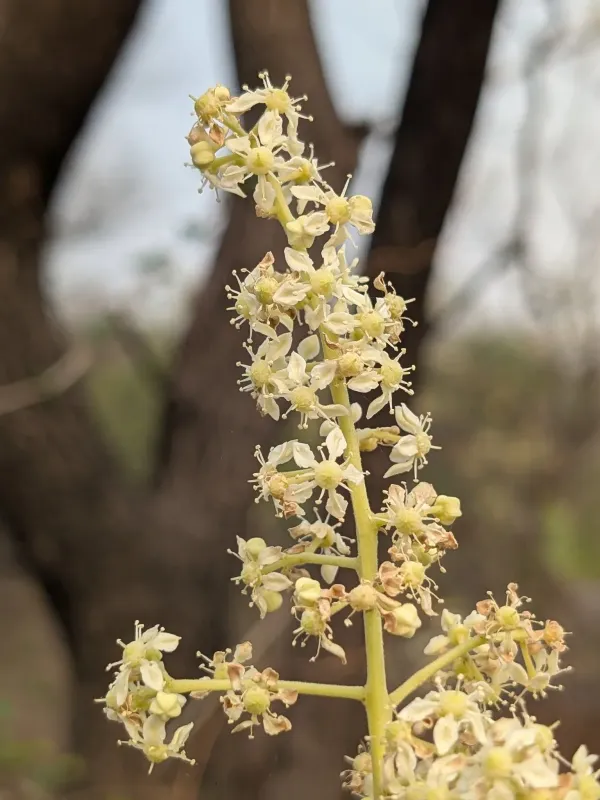
Description
Growing requirements
Chloroxylon swietenia, commonly known as East Indian Satinwood, is a tropical tree species belonging to the Rutaceae family. It is a deciduous tree capable of reaching significant heights in favorable conditions.
Native to the dry deciduous forests of India and Sri Lanka, the species is highly adapted to climates characterized by distinct wet and dry seasons. It acts as a critical component of the local ecosystem's floral structure.
The species prefers well-drained, sandy, or rocky soil types. It is renowned for its drought tolerance, making it an excellent candidate for reforestation in arid or semi-arid tropical zones where other species might fail.
Light requirements for this crop are high; it is a heliophilous species that requires full sun exposure to reach its maximum growth potential. While seedlings benefit from light shade, mature trees must have direct solar access.
Economically, the tree is prized for its high-quality timber, which exhibits a unique, satin-like luster. This wood is widely utilized in fine cabinetry, artisanal furniture, and decorative veneer work due to its durability and aesthetic appeal.
Main diseases and pests
Root rot, primarily caused by waterlogged soil conditions, represents the most significant agronomic threat. Proper soil preparation and elevation ensure that water does not stagnate around the root zone.
Various defoliating insects, particularly caterpillars, can significantly impede the growth rate of juvenile trees. Integrated pest management strategies are recommended to maintain the health of plantations.
Parasitic plants like mistletoe can infest mature branches, depriving the tree of nutrients and moisture. Regular monitoring and physical removal are necessary to preserve the canopy's integrity.
Termite activity poses a risk to the bark and inner wood of stressed or physically damaged trees. Maintaining a vigorous, healthy growth environment is the best defense against wood-boring pests.
Ungulate pressure from wild animals can destroy new plantations. Fencing is a critical infrastructure requirement to prevent browsing and ensure the survival of young trees during their establishment phase.