
Chlorogalum pomeridianum
Chlorogalum pomeridianum
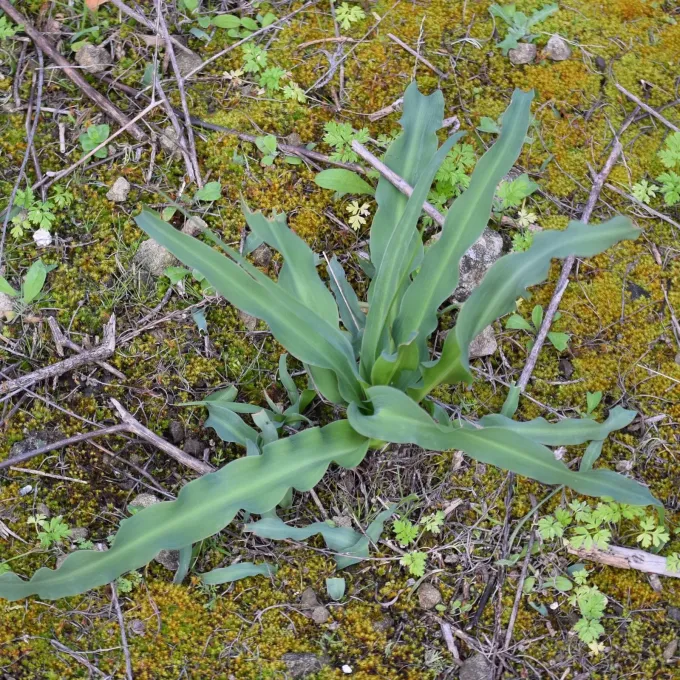
Description
Sowing dates
Chlorogalum pomeridianum, a member of the Asparagaceae family, is primarily propagated through seeds that require a cold stratification period to break dormancy.
Sowing is best performed in the late autumn, allowing the seeds to undergo natural winter chilling, which significantly improves germination rates in the spring.
The seeds should be sown at a depth of about 1 centimeter in loose, well-draining soil, ensuring they are not buried too deeply to allow proper emergence.
Growth during the first year is slow, as the plant focuses on establishing a small bulb and a primary root system capable of supporting future development.
Spacing should be managed carefully, with plants spaced at least 25 centimeters apart to prevent competition for nutrients and water as they mature.
Growing requirements
The Soap Plant thrives in open, sunny locations with well-drained, slightly gritty or sandy soils that replicate its native coastal and grassland habitats.
It is highly drought-tolerant once established, thanks to its specialized bulb which stores both nutrients and hydration for long dry seasons.
Waterlogging must be strictly avoided; therefore, planting on slopes or in soil amended with coarse sand is recommended to ensure rapid drainage.
The plant is adapted to Mediterranean climates and requires a distinct dry rest period after the foliage dies back to survive long-term.
Maintaining the correct soil structure is more important than fertilization, as the plant is adapted to naturally poor or rocky soil conditions.
Main diseases and pests
The primary threat to Chlorogalum pomeridianum is root and bulb rot, often caused by poor drainage and excessive moisture during the dormant season.
Pests such as bulb mites or small soil-dwelling insects can damage the root system, potentially causing the plant to weaken and become susceptible to fungal attack.
Fungal diseases like rust or leaf spots may appear if the foliage is kept in overly humid or stagnant air, especially in crowded planting conditions.
Effective management includes maintaining good air circulation around the plants and ensuring that the soil does not stay sodden for extended periods.
If disease symptoms arise, removal of affected plant tissue and adjustment of irrigation schedules are the most effective non-chemical interventions.
Harvesting
Harvesting is focused on the large, saponin-rich bulbs, which have historically been used as a natural soap and for various medicinal purposes.
The optimal time for harvest is during the late summer or early autumn when the plant enters its dormancy stage and the foliage has completely dried up.
Bulbs must be excavated carefully to avoid bruising or wounding the outer layers, as damaged bulbs are prone to rapid decomposition during storage.
Post-harvest, the bulbs are washed, sliced, and dried in ventilated areas to concentrate the saponin content for future commercial or artisanal use.
- Saponins extracted from this plant are known for their surfactant properties, making them valuable for sustainable cosmetic and cleaning applications.