
Chlorococcum infusionum
Chlorococcum infusionum
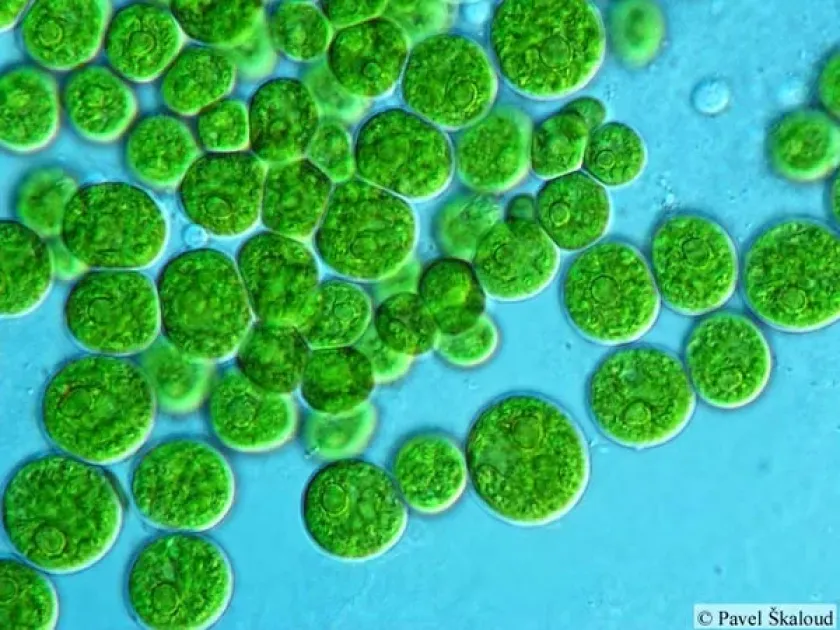
Description
Sowing dates
Chlorococcum infusionum is a unicellular green alga belonging to the Chlorococcaceae family, widely used in research and industrial biotechnology. The sowing process involves the inoculation of a pure culture into a specialized liquid medium, designed to promote rapid cell division under controlled environmental conditions.
The initialization of a growth cycle starts with the preparation of an inoculum in sterile conditions to ensure the purity of the algal strain. Using high-quality starter cultures is vital to establish a robust population capable of efficient biomass production throughout the growth cycle.
Inoculation density is a critical parameter; it must be optimized to maximize light utilization and nutrient uptake while preventing excessive cell shading. Proper density allows the culture to reach the exponential growth phase more quickly, significantly shortening the overall production time.
Modern production facilities utilize automated inoculation systems to maintain consistent growth parameters and minimize human error. This approach ensures that the initial cell population is uniform, which is essential for predicting the final yield in large-scale bioreactors.
Continuous cultivation techniques allow for periodic harvesting and replenishment of the medium, effectively turning the sowing process into a steady-state operation. This method maximizes the utilization of equipment and energy, making the cultivation of Chlorococcum infusionum highly efficient.
Growing requirements
Growth requirements for Chlorococcum infusionum include a balanced supply of essential macronutrients, specifically nitrogen, phosphorus, and potassium, which are required for cellular metabolism. The medium must be carefully formulated to meet the physiological needs of the alga to ensure rapid protein and lipid synthesis.
Environmental temperature is a key factor, with an optimal range between 20 and 28 degrees Celsius. Stability in temperature is essential, as fluctuations can trigger stress responses, leading to shifts in metabolic pathways and a potential reduction in biomass quality.
Light availability is paramount for photosynthesis, with both intensity and spectral quality influencing growth rates. In closed photobioreactors, artificial lighting systems are calibrated to provide the optimal light levels, avoiding excessive radiation that could cause photoinhibition of the algal cells.
Aeration with CO2 is essential to provide the carbon source necessary for growth, while also ensuring proper gas exchange within the liquid medium. Adequate mixing prevents cell sedimentation and ensures that all cells have equal access to nutrients and light, promoting a healthy, uniform population.
Maintaining a specific pH level is crucial for the stability of the culture, as it affects the bioavailability of dissolved mineral nutrients. Regular monitoring and automated adjustment of the pH help prevent inhibitory conditions and support the continuous development of the algal culture.
Yield
The yield of Chlorococcum infusionum is determined by measuring the dry biomass per unit volume of the medium or per unit of surface area. Due to their rapid reproductive cycle, these algae can achieve significant productivity levels compared to traditional land-based agricultural crops.
Yield performance is heavily influenced by the efficiency of the light utilization and the availability of carbon in the system. Optimizing these factors allows for maximum energy conversion into biomass, which is the primary objective for industrial-scale cultivation facilities.
The quality of the harvested biomass is defined by its biochemical composition, including pigments, proteins, and essential fatty acids. Controlling cultivation parameters allows producers to tailor the composition of the algae to meet specific industrial or research requirements.
Monitoring yield through spectrophotometric methods allows for precise tracking of growth rates and timely intervention to optimize the process. This data-driven approach is essential for scaling up production and maintaining consistency across multiple harvest cycles.
Future potential for increasing yields lies in strain selection and genetic improvement, focusing on variants that show higher resistance to stress and higher metabolic output. Ongoing research continues to push the boundaries of how much biomass can be produced in optimized algal systems.
Main diseases and pests
The most significant threat to a pure culture of Chlorococcum infusionum is contamination by unwanted microalgae, bacteria, or fungi. These invaders compete for resources and can quickly overwhelm the targeted population, leading to a drastic reduction in biomass quality and harvest yield.
Maintaining high standards of sterility and using high-quality filtration for air and medium inputs are the primary defense strategies against biological contaminants. Regular microbiological checks are conducted to ensure that the culture remains free of any pathogens or competitive organisms.
Environmental stress, such as extreme temperature fluctuations or light intensity spikes, can weaken the culture and leave it susceptible to diseases. Automation of climate control systems is an essential preventive measure to ensure the long-term stability and health of the algal population.
The accumulation of waste metabolites in the medium can reach toxic levels if not managed through partial harvesting or medium replacement. Proper maintenance protocols ensure that the chemical environment remains favorable, preventing the self-inhibition of the algal growth cycle.
Mechanical damage during pumping or agitation can stress the cells and reduce their viability. Implementing gentle mixing technologies and well-designed fluid dynamics is essential to protect the physical integrity of the algal cells throughout the entire production process.
Harvesting
Harvesting involves the separation of the algal cells from the liquid medium, typically through centrifugation, flocculation, or filtration. These methods are designed to concentrate the cells into a dense paste, which facilitates efficient downstream processing and drying.
Once collected, the algal paste must be rapidly processed to prevent enzymatic degradation or microbial spoilage. Techniques such as freeze-drying or low-temperature air drying are commonly used to remove moisture while preserving the integrity of the proteins and bioactive compounds.
Strict temperature control during the drying process is critical to ensure that sensitive molecules like pigments are not degraded. The resulting dry powder must be stored in airtight containers under low humidity conditions to maximize shelf life and ensure product quality.
The spent medium is often treated and recycled, providing a more sustainable approach to production by reusing water and residual minerals. This circular management of resources reduces operational costs and minimizes the environmental footprint of the cultivation facility.
Quality assurance at the harvest stage is mandatory, involving rigorous testing to verify the purity and nutritional content of the final product. Only batches that meet the required specifications are released for industrial use, ensuring safety and efficacy for the end-user.