
Chloris prieurii
Chloris prieurii
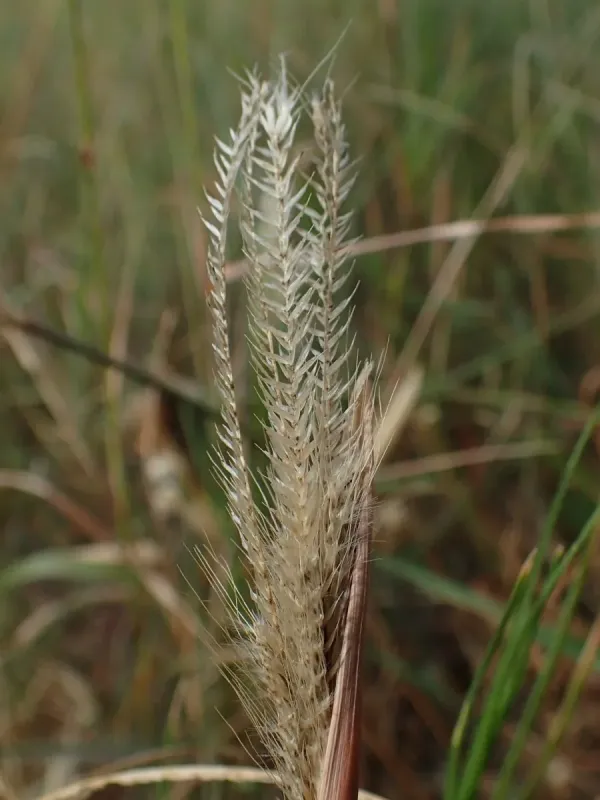
Description
Sowing dates
Chloris prieurii is an annual grass species, and its sowing schedule is strictly dictated by the onset of the rainy season in its native range. Sowing typically commences immediately following the first significant rainfall, once the soil has reached an optimal temperature to facilitate rapid seed germination.
In arid environments, seeds are usually sown via broadcast or shallow drilling. Minimal soil disturbance is preferred to preserve moisture, as rapid establishment is critical for the survival of seedlings during the unpredictable climatic windows common to its habitat.
Seeding rates generally range from 5 to 10 kilograms per hectare, depending on the intended use—pasture establishment or hay production. Higher densities are prioritized in degraded land reclamation projects to ensure effective ground cover and to prevent soil erosion during intense wind events.
Sufficient soil moisture during the first fortnight post-sowing is the primary factor for a successful establishment. A prolonged dry spell immediately following seeding can lead to significant germination failure, often necessitating supplementary sowing to maintain the target plant density.
This grass exhibits aggressive early growth, allowing it to rapidly occupy available niches and outcompete weeds. This characteristic makes it highly valued for the rapid restoration of overgrazed rangelands, as it provides a quick, protective cover for the soil surface.
Growing requirements
Chloris prieurii belongs to the Poaceae family and is highly adapted to arid and semi-arid conditions. It is known for its exceptional drought tolerance and its ability to thrive in environments that would typically limit the productivity of other forage grass species.
The plant is not demanding regarding soil quality, growing successfully in sandy, rocky, or slightly saline conditions. Good drainage is essential, as the species does not tolerate waterlogging, which can easily damage the root system and reduce overall plant health.
As a C4 plant, it performs highly efficient photosynthesis under intense sunlight and high-temperature conditions. This biological adaptation allows the grass to accumulate significant biomass even when water availability is low, making it a reliable feed source in harsh environments.
Nutrient requirements are modest; the plant is well-suited to soils with low fertility. However, in improved pastoral systems, nitrogen application can significantly increase yields, especially on land that has been subject to prolonged nutrient depletion through continuous grazing.
The grass shows high resilience to both grazing and mechanical cutting. Its ability to regenerate vegetative mass quickly after defoliation ensures its survival in intensive grazing systems, provided that management practices allow for adequate rest periods during the growing cycle.
Yield
Biomass yield for Chloris prieurii is directly correlated with the cumulative rainfall during the growing season. In years with adequate precipitation, the crop can produce between 3 and 5 metric tons of dry matter per hectare, depending on soil quality and management levels.
Nutritional quality is at its peak during the booting and early heading stages. During this window, the plant provides high levels of crude protein and digestibility, making it an excellent source of feed for livestock when other resources are limited by seasonality.
To maximize yields in intensive agricultural settings, irrigation is often applied during the most critical growth phases. While the plant is drought-resistant, access to supplemental water allows for multiple harvests per season, significantly increasing the net output per hectare.
The total yield is also influenced by plant density. Optimizing the spacing between plants ensures that each individual can effectively capture sunlight and nutrients, which prevents the gaps in the sward that could otherwise lead to lower overall site productivity.
Harvesting should be timed to balance total biomass with nutritional value. Delaying the harvest until the seeds are fully mature results in a sharp increase in structural fiber and a corresponding decrease in feed palatability and digestible energy for animals.
Main diseases and pests
The species can be susceptible to various fungal leaf spot diseases, especially during periods of high humidity. While not always lethal, these pathogens can significantly reduce the photosynthetic surface area, negatively impacting the total biomass accumulation of the sward.
Locusts and grasshoppers represent the most significant pest threats, particularly in semi-arid rangelands. Large swarms can defoliate entire pastures in a short period, necessitating constant monitoring and rapid intervention to protect the forage supply during the peak growing season.
Root rots are primarily a risk in areas with poor drainage or heavy, clay-rich soils. Managing site selection and ensuring proper water management is the most effective preventative measure, as chemical control options are often impractical in extensive grazing systems.
Soil-dwelling insects can occasionally damage seeds or emerging seedlings. Seed treatments with appropriate insecticides can mitigate these losses in areas with known historical pest pressure, ensuring that the establishment phase is completed without significant stand thinning.
Integrated management remains the best strategy against threats. By maintaining a healthy, vigorous sward through rotational grazing and proper site selection, farmers can minimize the impact of pests and diseases without relying on costly and potentially harmful chemical applications.
Harvesting
Harvesting for hay is typically conducted at the flowering stage. This timing ensures that the harvest occurs while the nutritional quality is high and before the stems reach a state of lignification that would reduce the overall feed value for livestock.
After cutting, the biomass must be dried rapidly to prevent mold and nutrient degradation. The use of hay tedders facilitates uniform drying, which is crucial for retaining the foliage, as the leaves contain the highest concentration of digestible nutrients.
In pastoral systems, the harvest is managed through controlled rotational grazing. This prevents the overutilization of the grass and ensures that the root system has sufficient energy reserves to recover quickly and facilitate regrowth for the subsequent cycle.
Seed harvesting requires careful timing and specialized equipment. Since the seeds are small and prone to shattering, they must be gathered at the point of physiological maturity when the spikelets change color but have not yet released the grain, ensuring higher recovery rates.
Storage of the harvested hay should prioritize protection from rain and moisture to prevent deterioration. Storing hay in well-ventilated areas or under covers ensures that the feed remains stable and palatable throughout the winter months or other periods of resource scarcity.