
Chloris divaricata
Chloris divaricata R. Br.
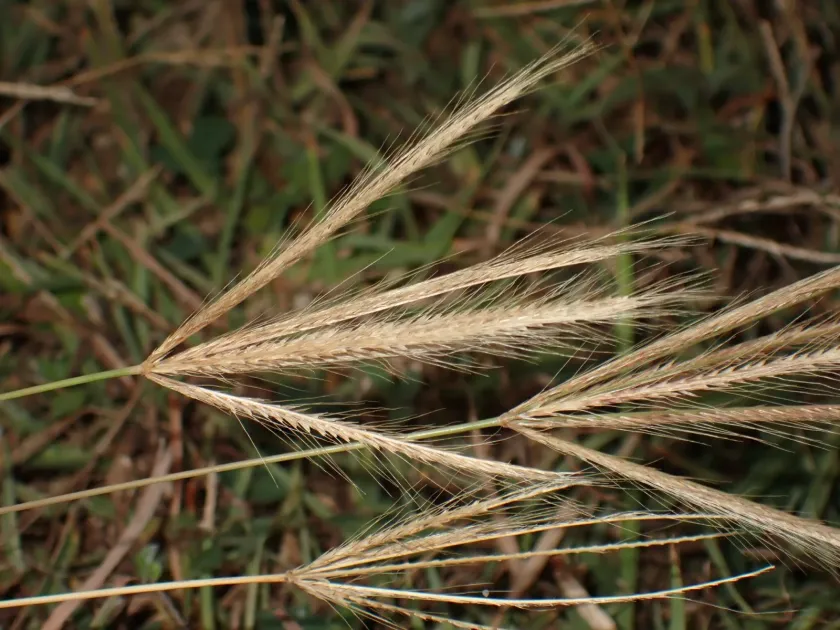
Description
Sowing dates
Sowing of Chloris divaricata should be conducted when soil temperatures are sufficiently warm, as the seeds of this species require stable positive temperatures to germinate effectively.
The optimal time for establishing the sward is early spring or early summer, when natural rainfall levels allow the plants to pass through the initial growth stage without drought stress.
When used in crop rotation or for the restoration of degraded lands, sowing is recommended in well-prepared, loose soil at a depth of no more than 1–2 centimeters.
The seeding method typically involves surface broadcasting followed by rolling, which ensures better seed-to-soil contact and prevents wind erosion of the seeds.
In regions with a distinct rainy season, sowing is timed to coincide with the first significant rains, ensuring the crop has a rapid start and active tillering before extreme heat occurs.
Growing requirements
Chloris divaricata is a perennial herbaceous plant belonging to the Poaceae family, known for its high adaptability to challenging environmental conditions.
This species prefers open, sunny locations and well-drained soils, demonstrating remarkable resilience to prolonged periods of drought and high air temperatures.
The crop thrives in various soil types, including nutrient-poor sandy soils where other grass species often exhibit low productivity and stunted growth.
Minimal nitrogen fertilization is required for optimal growth, although the application of small amounts of phosphorus during early stages promotes robust root development.
The plant's origin in the arid regions of Australia dictates its biological adaptation to sharp fluctuations in daily temperatures and moisture deficits.
Yield
The yield of green biomass from Chloris divaricata is directly dependent on the amount of available moisture during active growth and the density of the sowing per hectare.
Under pasture conditions, the crop is valued for its rapid regrowth after grazing, allowing for multiple uses of the same areas within a single season.
With intensive management, sward productivity remains stable for several years, provided that grazing rotation is maintained to prevent overgrazing.
Although it may not be a record-breaker in total biomass volume, its nutritional value during the driest months is significantly higher than that of many local grasses.
The overall seed production remains high, which facilitates the natural regeneration of the sward without the constant need for annual overseeding.
Main diseases and pests
The plant possesses strong immunity to most specific grass diseases, allowing for cultivation with little to no reliance on synthetic fungicides.
The primary threat to young seedlings can come from soil-dwelling pests, such as weevil larvae or wireworms, which may damage root systems under conditions of excess moisture.
In certain instances, with high planting density and poor air circulation, rust fungi may occur, though these rarely develop into serious, large-scale outbreaks.
Competition from weed species is the main risk factor during the initial development stage, before the grass has successfully established a dense sod.
The end of the season can be a critical time for crop health, as the accumulation of plant debris may encourage mold development if unseasonal rain occurs.