
Chlamydomonas reinhardtii
Chlamydomonas reinhardtii P.A.Dangeard
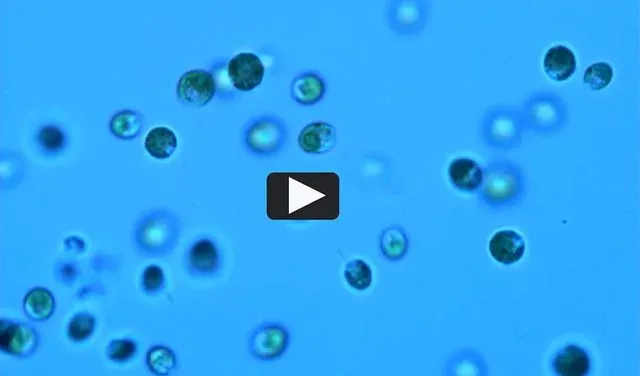
Description
Sowing dates
Chlamydomonas reinhardtii is a single-celled green alga, typically cultivated in controlled photobioreactors. The sowing process involves inoculating a sterile culture into a nutrient-rich growth medium.
Temperature control is essential, with an optimal range between 20 and 25 degrees Celsius. Consistent light exposure is required to drive the photosynthesis needed for rapid cell division and biomass accumulation.
The standard growth medium, often known as TAP (Tris-Acetate-Phosphate), is frequently used. The presence of acetate allows the cells to engage in mixotrophic growth, significantly enhancing yield rates in industrial setups.
Effective aeration is crucial to provide the culture with sufficient carbon dioxide. Proper gas exchange prevents the development of localized areas with low nutrient availability, ensuring uniform growth across the entire reactor.
Monitoring the culture density is a continuous task during the production cycle. Regular sampling and spectrophotometric analysis help determine the optimal timing for harvesting or adding fresh medium.
Growing requirements
The culture requires a high degree of environmental purity to prevent contamination by bacteria or other algae. Maintaining a stable pH around 7.0 is critical for the metabolic health of the algal cells.
Light intensity must be strictly controlled; excessive light can lead to photoinhibition, while insufficient light limits growth. Artificial lighting systems are often programmed to provide a consistent photoperiod.
Thermal stability is a key requirement. Any sudden temperature fluctuation can trigger stress responses, negatively impacting the efficiency of the photosynthetic apparatus and reducing overall biomass quality.
Nutrient supply must include essential elements such as nitrogen, phosphorus, and magnesium. These minerals are vital for chlorophyll synthesis and protein production, directly influencing the color and growth rate of the culture.
Mechanical agitation is necessary to keep the cells in suspension. Without consistent mixing, cells settle to the bottom, where they are deprived of the light and nutrients required for development.
Yield
Yield is measured as the concentration of dry biomass obtained per unit volume. Efficient production systems are designed to maximize this density, making the process commercially viable for various sectors.
The biomass of Chlamydomonas reinhardtii is a valuable source of high-quality proteins, lipids, and pigments. Its chemical composition makes it a prime candidate for supplements in both animal and aquaculture feed.
The alga is a major model organism in genetic research, which has led to the development of specialized strains. These strains can be optimized to produce high-value therapeutic proteins or specific enzymes.
In the energy sector, this alga is being studied for its potential in biofuel production. Its ability to accumulate significant amounts of starch and lipids under specific growth conditions is highly valued.
The total yield depends heavily on the harvest timing. Collecting the culture during the peak of its exponential growth phase ensures the highest recovery of targeted biomolecules.
Main diseases and pests
The most significant threat to a pure Chlamydomonas culture is the introduction of competing algal species. These invaders can outgrow the desired strain, significantly reducing the purity and yield of the harvest.
Bacterial contamination can consume essential nutrients and produce metabolic byproducts that inhibit the growth of the alga. Strict sterilization protocols for all equipment are the primary defense against such issues.
Protozoan predators, such as amoebae or ciliates, can rapidly decimate an algal population. Maintaining a closed, isolated environment is the best way to prevent the entry of these harmful organisms.
Viral infections can cause massive cell lysis in large-scale production units. Since there are no simple treatments, prevention through biological isolation is the most effective management strategy.
Environmental stress, caused by nutrient depletion or light imbalances, makes the culture more susceptible to infections. Proactive monitoring helps mitigate these risks before they lead to crop loss.
Harvesting
Harvesting is performed by separating the cells from the medium. Continuous flow centrifugation is the industry standard for obtaining a concentrated algal paste with high efficiency.
Flocculation is an alternative method used to aggregate cells into larger particles, making them easier to filter. This method is often preferred for large-scale production to reduce energy consumption.
Once collected, the biomass is typically processed through dehydration or lyophilization. The choice of processing method depends on which bioactive components need to be preserved.
Oil extraction is performed using green solvents or supercritical carbon dioxide, which ensures high purity of the final product. These methods protect the sensitive fatty acids present in the algal cells.
The nutrient medium is often recycled back into the production cycle after the biomass has been removed. This approach promotes sustainability by minimizing waste and reducing the costs of raw materials.