
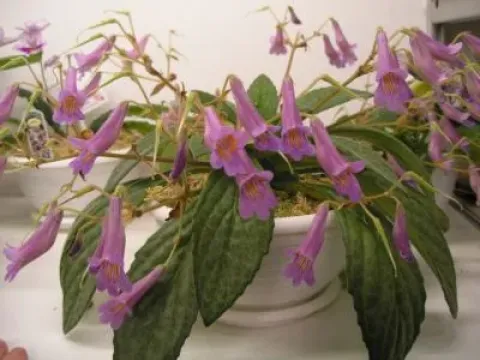
Chirita
Chirita Buch.-Ham. ex D. Don
Chirita is a genus of herbaceous perennials within the Gesneriaceae family. Taxonomic revisions in recent years have moved many species previously identified as Chirita into the Primulina genus, which is a critical point for botanists and collectors seeking specific cultivars.
What the section contains

Chirita
Originating from the tropical and subtropical regions of Asia, specifically China and Southeast Asia, these plants are naturally adapted to damp environments. They are typically found clinging to rocky surfaces or growing in the understory of dense forests.
Climate requirements for this culture are quite strict: they thrive in temperatures ranging from 18 to 25 degrees Celsius. They are highly sensitive to sudden thermal shocks, which can cause significant physiological stress and lead to leaf drop.
The soil structure must be porous and well-draining to mimic their natural rocky habitats. A mix comprising high-quality peat, perlite, and perhaps charcoal is ideal to ensure that the root system receives adequate oxygen while retaining necessary moisture.
Lighting should be bright but indirect. Intense, direct solar radiation causes severe leaf scorch, while low light leads to leggy growth and the loss of the plant's characteristic rosette form. Consistent light levels are essential for healthy blooming cycles.
Root rot is the primary threat to the longevity of the plant, usually triggered by waterlogged soil. Proper drainage management is the cornerstone of successful Chirita cultivation; the pot must allow excess water to escape freely.
Pest pressures primarily include mealybugs and spider mites. These pests thrive in environments with stagnant air and low humidity, often hiding in the dense foliage or the center of the rosette where they are difficult to detect during early stages.
Effective management of these pests requires a combination of physical removal and the application of systemic pesticides. Keeping the plant environment clean and ensuring good air circulation significantly reduces the risk of these infestations taking hold.
Fungal infections, such as Botrytis, can occur if water remains on the leaves for prolonged periods in a cool environment. To prevent this, watering should always be targeted at the soil surface, avoiding the crown of the plant.
Regular maintenance, including the prompt removal of dead or yellowing foliage, is essential for plant hygiene. Monitoring the leaves for signs of stress or discoloration helps in addressing potential threats before they result in significant plant damage.