
Chionodoxa sardensis
Chionodoxa sardensis Whittall ex Barr & Sugden
Description
Sowing dates
Planting of Chionodoxa sardensis bulbs is typically carried out in the autumn, during September or October, allowing the root system to establish before the ground freezes.
The bulbs should be planted at a depth of 5 to 8 centimeters, which provides sufficient insulation and support for the developing plant.
For a naturalistic display, bulbs should be spaced 5 to 10 centimeters apart, allowing them to clump together naturally over subsequent years.
Vegetative propagation via offsets is the most common method; bulbs can be separated after the foliage dies back in late spring.
Seeds can be sown immediately after collection, though they require several years of growth before producing the first vibrant blooms.
Growing requirements
Chionodoxa sardensis is a perennial bulbous geophyte belonging to the Asparagaceae family, native to the mountain ranges of western Turkey.
This species thrives in sunny or partially shaded garden borders where the soil remains cool and moist during the active growing season.
The ideal growing medium is fertile, humus-rich, and well-draining soil, which prevents bulb rot during the dormant winter period.
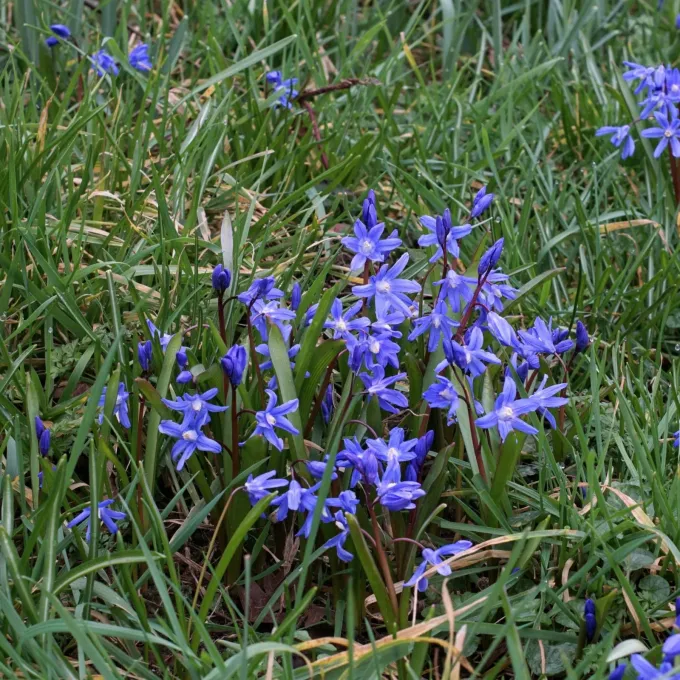
The plant is known for its intense, deep blue flowers that emerge in early spring, making it a staple for rock gardens and woodland landscapes.
It exhibits excellent cold hardiness and is highly adaptable, often naturalizing well in various temperate climates with minimal human intervention.
Main diseases and pests
The primary threats to the bulbs include small rodents, such as mice or voles, which may forage on the underground parts during the winter months.
Overly wet or waterlogged soil conditions promote fungal infections like grey mould, which can weaken or destroy the bulb base.
Fusarium rot is a potential risk in poorly aerated soils, so ensuring proper drainage at the time of planting is essential for long-term survival.
- Monitor for slugs and snails, which may graze on early foliage in cool, damp spring weather.
- Avoid over-fertilization, as it can encourage lush foliage growth at the expense of floral performance.
Maintaining proper cultural practices, such as removing debris and ensuring adequate spacing, significantly reduces the likelihood of pest and disease outbreaks.