
Chionodoxa luciliae
Chionodoxa luciliae Boiss.
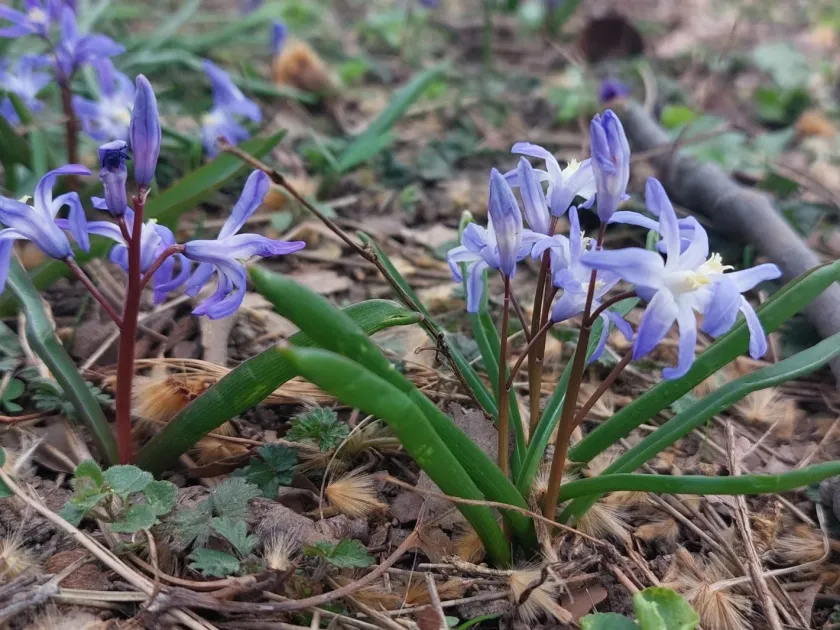
Description
Sowing dates
Chionodoxa luciliae is a bulbous perennial belonging to the Asparagaceae family. The optimal planting period is in early autumn, typically September, which allows the bulbs to establish a robust root system before the onset of winter frosts.
Bulbs should be planted at a depth of approximately 6 to 8 centimeters. Maintaining a spacing of about 5 to 10 centimeters ensures that each plant has sufficient access to nutrients and space for subsequent vegetative multiplication.
Propagation is primarily achieved through offsets, which are formed around the parent bulb. These offsets should be separated during the dormant season and replanted immediately to prevent them from drying out.
For an aesthetic impact, it is recommended to plant these bulbs in large clusters. Mass planting creates a naturalized carpet effect, making them ideal for rock gardens, lawns, or under deciduous trees.
Before planting, treat the bulbs with a suitable fungicide to protect them from soil-borne pathogens. This simple preventative step is crucial for maintaining the health of the bulbous crop throughout the growing season.
Growing requirements
This species thrives in locations with partial to full sun. Because it is an early spring bloomer, it is perfectly suited for planting under deciduous trees, as it completes its vegetative cycle before the tree canopy becomes fully opaque.
Well-drained, fertile soil is a non-negotiable requirement for this plant. If the soil is heavy or prone to waterlogging, it is necessary to incorporate coarse sand or gravel to prevent the bulbs from rotting during the winter.
Chionodoxa luciliae is notably hardy and can tolerate cold temperatures well. It requires minimal intervention in climates where winters are moderately cold, as it is well-adapted to surviving ground frost.
The soil pH should ideally be neutral or slightly alkaline. Acidic soils can hinder nutrient uptake, resulting in stunted flower development and weaker overall plant health throughout the short growing period.
While the plants do not require excessive fertilization, a balanced slow-release fertilizer applied during the early spring, as shoots emerge, can significantly improve the vitality and size of the flowers.
Main diseases and pests
Rodents such as mice and voles represent the most significant threat to the bulbs, as they often consume them during the dormant period. Using protective mesh or wire cages during planting is a common and effective deterrent.
Grey mold (Botrytis) can be problematic during periods of cool, wet weather. To mitigate this risk, ensure proper spacing between plants and avoid over-irrigating during the spring growth phase.
Bulb mites can inflict significant damage by feeding on the bulb tissue. Proactive inspection of the planting material and the use of insecticides, if necessary, are vital to preventing a decline in plant vigor.
Fusarium rot is another potential threat, especially in soils that lack proper drainage. This fungal disease leads to the decay of the bulb base, eventually resulting in the complete collapse of the plant.
Good cultural practices, such as ensuring proper soil aeration and removing any symptomatic plants immediately, are the best methods for managing potential outbreaks of diseases and pests in your garden.
Harvesting
Bulbs should be lifted and divided only when the clumps become too dense, typically every 5 to 7 years. This task must be performed after the foliage has naturally turned yellow and died back in late spring or early summer.
After lifting, the bulbs must be cleaned of soil and debris, then cured in a shaded, well-ventilated area. Direct sunlight should be avoided during this stage to prevent the bulbs from losing moisture too rapidly.
Once dried, store the bulbs in a cool, dark, and dry environment. Utilizing breathable containers filled with peat or sawdust helps prevent the bulbs from dehydrating or sprouting prematurely during the storage phase.
Inspect the bulbs regularly during the dormant period to ensure they remain firm. Any bulbs showing signs of softening, rot, or mechanical damage should be discarded to protect the healthy stock from cross-contamination.
For those interested in seed harvesting, collect the capsules in late spring when they begin to change color. Keep the seeds in paper envelopes in a cool place until they are ready to be sown in the autumn.