
Sandersonia aurantiaca
Sandersonia aurantiaca Hook
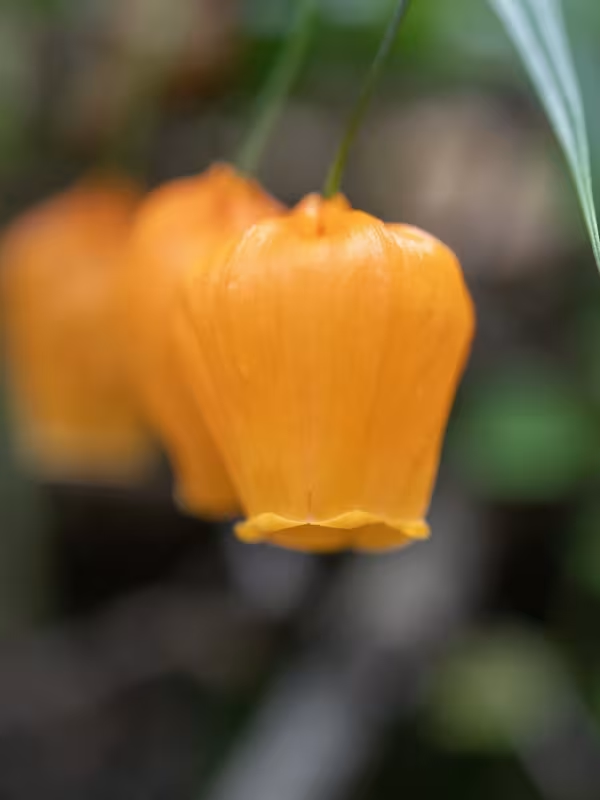
Description
Sowing dates
Sandersonia aurantiaca is primarily propagated through its tubers, which develop annually as the plant matures. Planting should take place in late spring once the danger of frost has passed and the soil temperature has reached at least 15 degrees Celsius.
Tubers should be planted at a depth of 5 to 10 centimeters with a spacing of 15 to 20 centimeters between plants to allow for proper foliage development. Ensure the planting site has excellent drainage to prevent the tubers from rotting in heavy or waterlogged soil.
For those in cooler climates, starting tubers in pots indoors is highly recommended. This allows the plants to establish a robust root system before being moved outdoors, ensuring they are ready for the growing season.
Choose a location that receives filtered light or light shade, as intense direct sunlight can scorch the delicate leaves. A light, well-draining soil mix enriched with organic matter provides the best foundation for healthy growth.
Once planted, keep the soil consistently moist but not saturated. Germination typically occurs within a few weeks, after which the plant will begin to produce its characteristic climbing stems and lantern-like flowers.
Growing requirements
As a member of the Colchicaceae family, native to South Africa, this plant thrives in subtropical conditions. It requires a balanced environment where temperature and humidity are kept stable during the active growing phase.
Optimal daytime temperatures range from 20 to 25 degrees Celsius, while nighttime temperatures should remain above 15 degrees. Exposure to cold drafts or significant temperature fluctuations can severely hinder the development of the stems.
Watering requirements are moderate; the soil should never be allowed to dry out completely, yet standing water must be avoided at all costs. Air humidity around 65 percent is ideal for healthy foliage and vibrant blooms.
Fertilization with a balanced, water-soluble fertilizer is beneficial during the active growth period. Focus on phosphorus and potassium to support flower production, while limiting nitrogen to prevent weak, leggy stems that struggle to support the weight of the flowers.
Support structures, such as small trellises or stakes, are often necessary because the plant has climbing tendrils on its leaves. Providing this support ensures better air circulation and display of the flowers.
Yield
The yield of Sandersonia is measured by the number and quality of flower stems produced, which are highly valued in the cut flower industry. A single healthy plant can produce multiple vibrant orange bells under optimal conditions.
Quality control is vital; stems should be harvested when the lower flowers on the raceme begin to open. This stage of maturity ensures maximum vase life and aesthetic appeal for floral arrangements.
Effective vegetative propagation allows growers to multiply their stock annually, with mature tubers producing several offset tubers. This multiplication is the standard way to increase production area over time.
In greenhouse settings, yield can be maximized by controlling environmental variables such as humidity, light intensity, and irrigation. High-density planting is possible with proper management, increasing the return on investment per square meter.
The premium price commanded by these exotic flowers makes the crop highly profitable for specialized growers. Success depends on delivering a high-quality product that meets the aesthetic standards of the modern floral market.
Main diseases and pests
The most significant threats to Sandersonia are fungal diseases such as botrytis and root rots, often caused by overwatering or poor ventilation. Prevention involves maintaining a dry environment around the crown of the plant.
Pests like spider mites and thrips can be particularly problematic in dry, warm greenhouse conditions. Regular inspections of the undersides of leaves are necessary to detect early signs of infestation and apply treatment if required.
Bacterial pathogens can spread through tools used during maintenance. Strict hygiene, including the sterilization of shears and other equipment, is essential to minimize the risk of disease transmission within the crop.
Root rot is often the most dangerous threat because it is frequently diagnosed too late to save the plant. Symptoms include chlorosis of the leaves and sudden wilting, indicating irreversible damage to the root system.
Crop rotation and soil sanitation are critical preventative measures. Avoiding the replanting of Sandersonia in the same area for at least three to four years significantly reduces the pathogen load in the growing medium.
Harvesting
Harvesting the tubers occurs at the end of the season once the foliage has turned yellow and died back naturally. This phase is crucial for the translocation of nutrients into the tuber, ensuring vitality for the next year.
Carefully lift the tubers from the soil to avoid any mechanical damage. Any nicks or cuts can become entry points for decay-causing fungi during the storage phase, so handling must be gentle and precise.
After cleaning and drying the tubers in a cool, dark, and well-ventilated area, they should be stored in boxes with dry peat or vermiculite. Stable temperatures around 10 to 12 degrees Celsius are ideal for dormancy.
Periodic checks during storage allow the grower to remove any tubers showing signs of decay or shriveling. Maintaining this health check ensures that only high-quality material is used for the subsequent planting season.
Proper harvest and storage are the final essential steps in the production cycle. By following these agronomic practices, growers can ensure sustainable production and high-quality blooms year after year.