
Cunninghamia lanceolata
Cunninghamia lanceolata (Lamb.) Hook.
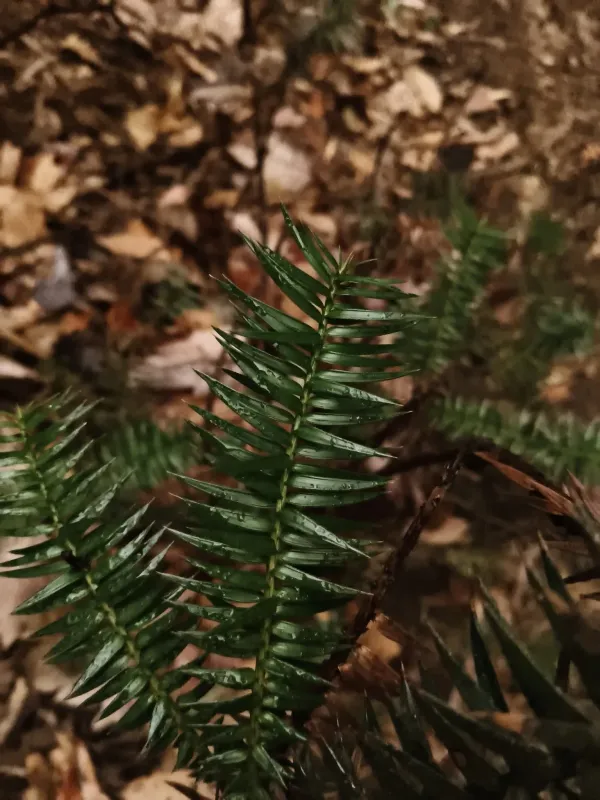
Description
Sowing dates
Cunninghamia lanceolata is propagated primarily through seeds in specialized nursery environments where temperature and humidity are tightly regulated. The optimal sowing time is during early spring once the risk of frost has passed and soil temperature is stable.
Seeds often require stratification to break dormancy and ensure uniform germination rates. Sowing is conducted in rows at a shallow depth of 1-2 cm, ensuring the seeds are lightly covered with a protective layer of substrate to retain moisture.
Modern commercial operations often utilize container-grown seedlings to minimize root disturbance during transplanting. Seedlings are typically reared in the nursery for one to two years until they reach a height of 30-50 cm, ensuring they are robust enough for field planting.
Field establishment involves spacing the trees at intervals of 2x2 or 2.5x2.5 meters. This specific density promotes the development of straight, high-quality timber trunks while ensuring adequate access to resources for every individual tree.
Post-planting care includes essential activities such as weeding and irrigation, particularly during the first few years of establishment. These practices facilitate a rapid growth phase, allowing the trees to successfully dominate the site.
Growing requirements
Cunninghamia lanceolata, a member of the Cupressaceae family, is a valuable evergreen conifer native to the subtropical regions of China and Vietnam. It thrives in environments characterized by mild winters and high annual rainfall.
The species has high requirements for both soil and atmospheric moisture, making it unsuitable for arid climates. Well-drained soils are critical, as stagnant water can rapidly lead to root rot and other physiological stressors.
The ideal soil profile is deep, fertile, and slightly acidic. The tree is sensitive to alkaline or highly calcareous soils, which often induce chlorosis and limit nutrient uptake, resulting in stunted growth patterns.
Adequate sunlight is essential for the development of a symmetrical and dense canopy. While young trees show some tolerance to partial shade, mature trees perform best when receiving full exposure to direct sunlight throughout the growing season.
Protection from extreme wind conditions is also necessary for younger specimens, as high wind speeds can cause mechanical damage to emerging shoots and stems. Creating windbreaks around young plantations is a recommended management practice.
Yield
Cunninghamia lanceolata is renowned for its rapid biomass accumulation, making it one of the most productive conifer species for industrial forestry applications. It provides a significant return on investment due to its accelerated growth rate.
The standard rotation cycle for timber production ranges from 20 to 30 years. During this period, the trees produce durable, rot-resistant timber that is highly sought after in the construction and furniture industries.
Management practices such as periodic thinning are vital to maximize yields. By removing suppressed or diseased individuals, foresters optimize the growth resources for the remaining, more vigorous trees, thus increasing overall timber quality.
The wood from this species is celebrated for its lightweight yet sturdy nature, ease of workability, and aesthetic appeal. These characteristics maintain a stable and lucrative demand within the global timber market.
The implementation of advanced breeding programs has resulted in elite clones that demonstrate even higher growth rates and improved disease resistance. Utilizing such genetic material is a key strategy for modern forestry productivity.
Main diseases and pests
Despite its vigor, the species is vulnerable to specific fungal pathogens, particularly those affecting the roots and stems in humid conditions. Managing stand density is a primary defense against the spread of such diseases.
Pests, such as coniferous bark beetles and sawflies, can inflict considerable damage on weakened trees. Regular forest health inspections are necessary to detect early signs of infestation and implement immediate control measures.
Mechanical damage caused by forestry equipment or wildlife can create entry points for opportunistic infections. Careful planning of operational procedures and protection of young plantations are necessary to maintain stand integrity.
Sanitary cutting, which involves the removal of infected material, is a standard practice to reduce disease pressure. Keeping the plantation floor clear of excessive debris also helps in breaking the lifecycle of many pathogens.
Maintaining a healthy, vigorously growing stand through proper silvicultural techniques remains the most effective way to prevent outbreaks. Resilience is best fostered by providing the trees with their optimal environmental requirements.