
Cheniella glauca
Cheniella glauca
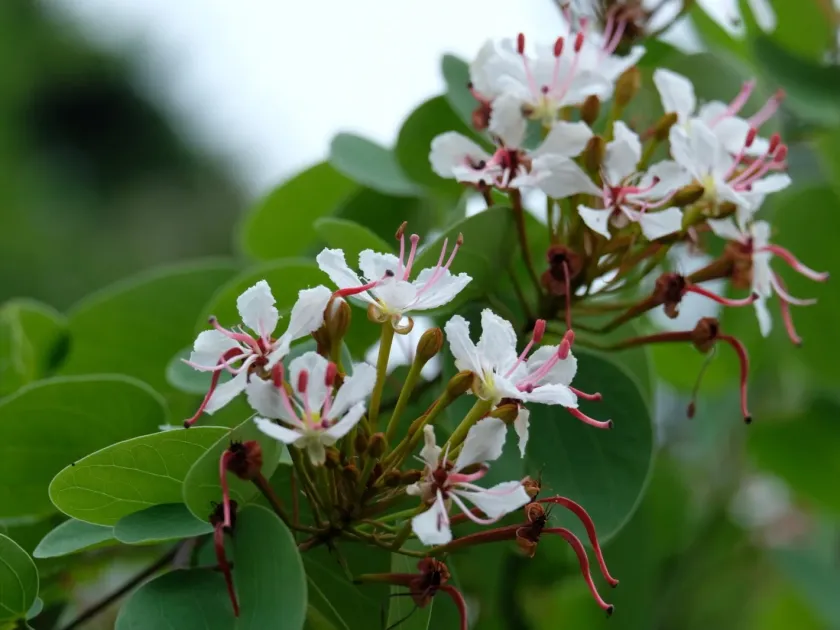
Description
Sowing dates
Cheniella glauca is a perennial shrub belonging to the Fabaceae family (subfamily Caesalpinioideae). Previously, this species was classified under the genus Bauhinia, which is an important detail when researching older botanical texts.
Sowing times for this crop depend on the specific climatic zone, however, the spring period is preferred when soil temperatures reach 15–18 degrees Celsius.
The seeds of this plant feature a dense seed coat, therefore scarification or pre-soaking in warm water is required to improve germination rates.
In its natural habitat, the plant is adapted to tropical seasonal rhythms, which dictates its biological need for a stable temperature regime post-germination.
When cultivating on experimental plots, it is essential to ensure proper row spacing to allow for the full development of both the root system and the aerial parts of the plant.
Growing requirements
The crop prefers well-drained sandy or sandy loam soils with a neutral or slightly acidic pH, which is critical for the healthy development of nitrogen-fixing nodules.
Cheniella glauca is a light-demanding plant, and therefore requires open, well-lit areas with minimal shading for successful flowering and seed formation.
The plant possesses moderate drought tolerance thanks to the structural features of its leaf blades, which have a waxy coating that reduces moisture evaporation.
Optimal air humidity for active vegetation ranges between 60 and 75 percent, although the plant reacts extremely negatively to water stagnation in the root zone.
To increase productivity on nutrient-poor soils, the application of phosphorus and potassium fertilizers is recommended to support physiological processes within the perennial's tissues.
Main diseases and pests
The main threats to young Cheniella seedlings are fungal diseases of the root collar, which arise from improper moisture management and poor soil aeration.
Typical pests include various species of aphids and spider mites, which can infest the plant significantly during periods of prolonged drought and abnormally high temperatures.
Under conditions of high humidity, there is a high probability of powdery mildew development, manifested by a white coating on the leaves, which significantly reduces the total photosynthetic area.
To combat diseases, the use of preventive fungicide treatments and strict adherence to watering regulations is recommended to prevent substrate waterlogging.
Regular inspection of plantings for signs of insect damage allows for the containment of infestations at early stages without the need for aggressive pesticides.