
Cheniella corymbosa
Cheniella corymbosa
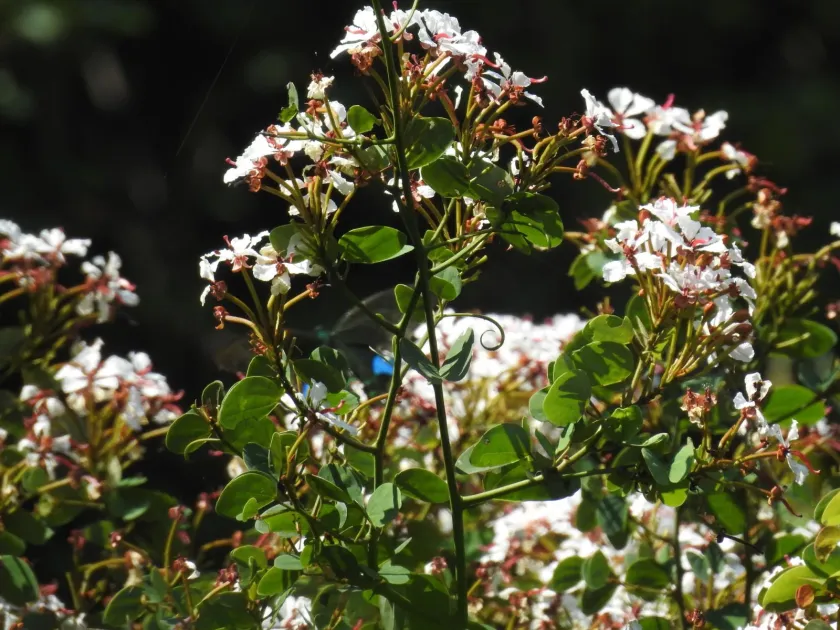
Description
Sowing dates
The sowing dates for Cheniella corymbosa depend directly on the climatic zone and soil temperature. The optimal period is when the topsoil warms up to 12–15 degrees Celsius.
In southern regions, sowing can be done early to effectively utilize spring moisture reserves. Delaying sowing may lead to poor germination due to the drying out of the topsoil.
Seeds are sown at a depth of 3–5 cm depending on the soil type. It is crucial to ensure good seed-to-soil contact for uniform germination in field conditions.
The recommended seeding rate is calculated based on the target plant density per hectare. The planting density should be sufficient to form a full crop stand without excessive competition.
Rolling after sowing is often recommended to improve capillary water rise to the seeds. This step is particularly important in conditions with low spring moisture.
Growing requirements
Cheniella corymbosa belongs to the Fabaceae family and has specific soil fertility requirements. The crop thrives in structural, well-drained soils with a neutral or slightly acidic reaction.
The plant is light-demanding, so open fields should be chosen to achieve maximum productivity. Shading negatively affects the growth rate and the development of generative organs.
The crop has moderate drought tolerance, but consistent moisture is required during critical growth stages for high yields. Development may stall during periods of intense heat.
Nutritional needs include a higher demand for phosphorus and potassium. Nitrogen application during initial growth stages stimulates vegetative mass development.
Agrotechnics include mandatory weed control at the beginning of the growing season. Cheniella is sensitive to weed pressure as it grows biomass slowly in early stages.
Yield
The potential yield of Cheniella corymbosa depends on the intensity of the applied agricultural practices. With all requirements met, stable biomass or seed yields can be expected.
Factors limiting productivity include moisture deficits during flowering and bean formation. Summer temperature patterns also have a significant impact.
To improve yields, foliar applications of micronutrients are used. This helps plants cope with stress and absorb nutrients more efficiently.
In commercial cultivation, the purity of the seed material is a key indicator. High-quality seeds ensure uniform emergence and higher productivity per unit area.
Regular monitoring of crop health allows for prompt adjustments in crop care. This ensures that the yield potential is maintained until the harvest time.
Main diseases and pests
Major threats to Cheniella crops are related to fungal diseases that develop in high humidity. Monitoring for signs of leaf spots is essential.
Pests, such as weevils and various aphid species, can cause significant damage to young shoots. Regular insecticidal treatments help control their population.
Root rots pose a danger in waterlogged soils with poor aeration. Prevention lies in strict crop rotation and proper soil preparation.
Weeds compete for nutrients and water. Effective weed control is performed using both agrotechnical and chemical protection methods.
Weather stresses, such as late frosts or hail, can weaken plants. In such cases, the use of growth stimulants is justified.
Harvesting
Harvesting of Cheniella corymbosa is carried out at the full bean maturity stage. It is important to avoid over-ripening to prevent pod shattering and crop loss.
Combine harvesters with proper threshing settings are used for mechanized harvesting. Reducing drum speed is necessary to minimize seed damage.
Seed moisture at harvest should be within 14–16%. If levels are higher, immediate post-harvest drying in a gentle mode is required.
After harvesting, seeds are cleaned of debris and impurities. This ensures better preservation during long-term storage in warehouses.
Proper storage involves maintaining optimal temperatures and ventilation. A dry, cool environment is ideal for preventing the spoilage of seed stocks.