
Clausia aprica
Clausia aprica (Stephan ex Willd.) Korn.-Trotzky
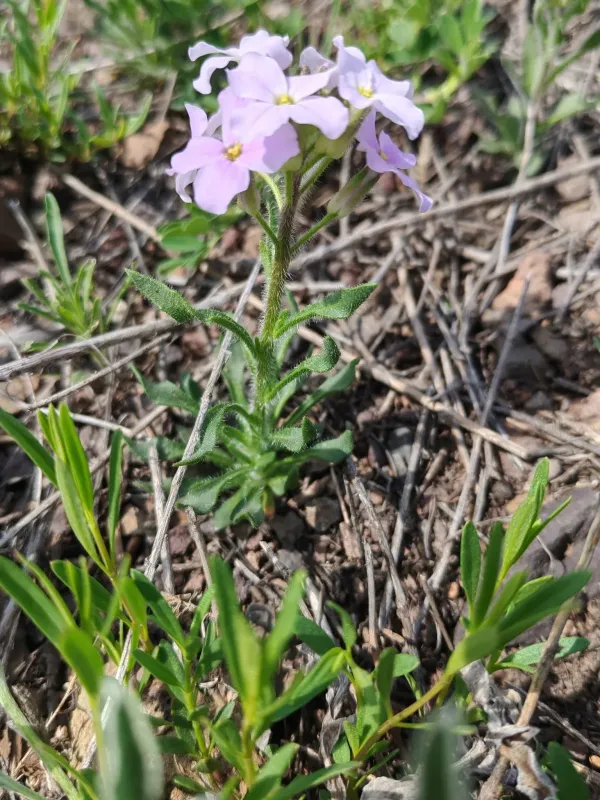
Description
Growing requirements
Clausia aprica, a member of the Brassicaceae family, is a perennial herbaceous plant known for its remarkable resilience and adaptation to harsh environments. Its name implies a preference for open, sun-exposed habitats.
The plant is native to regions of Siberia and Central Asia, thriving in areas where extreme temperature fluctuations occur. Its natural distribution is linked to arid and semi-arid landscapes where few other species can establish themselves.
Morphologically, Clausia aprica features a robust taproot system that reaches deep into the soil profile. This adaptation allows the plant to sustain metabolic activity even during periods of significant moisture deficit in the upper soil layers.
For agricultural purposes, this plant requires well-drained, porous soils. It is particularly successful in sandy or stony soil types where the risk of waterlogging is minimal, as high humidity can be detrimental to its root health.
Clausia aprica exhibits excellent cold hardiness, making it a viable candidate for research into forage development for livestock grazing in northern or mountainous climatic zones.
Main diseases and pests
The primary agricultural threats to Clausia aprica include cruciferous beetles, which are common pests targeting members of the Brassicaceae family by feeding on foliage during the early growth stages.
Soil-borne pathogens such as those causing clubroot disease represent a significant risk, especially if cultivation is attempted in soils that are too compact or retain excessive moisture for prolonged periods.
Weed competition during the establishment phase is a critical challenge. Because the initial growth of the plant can be slow, weeds can easily overshadow and choke the young seedlings.
Environmental stress, if coupled with pest infestation, significantly reduces the plant's biomass, which is essential if it is being cultivated for feed production or soil protection purposes.
Effective management includes regular field scouting to detect early signs of infestation and ensuring the crop rotation schedule excludes other susceptible cruciferous plants in consecutive years.