
Chasmanthium laxum
Chasmanthium laxum
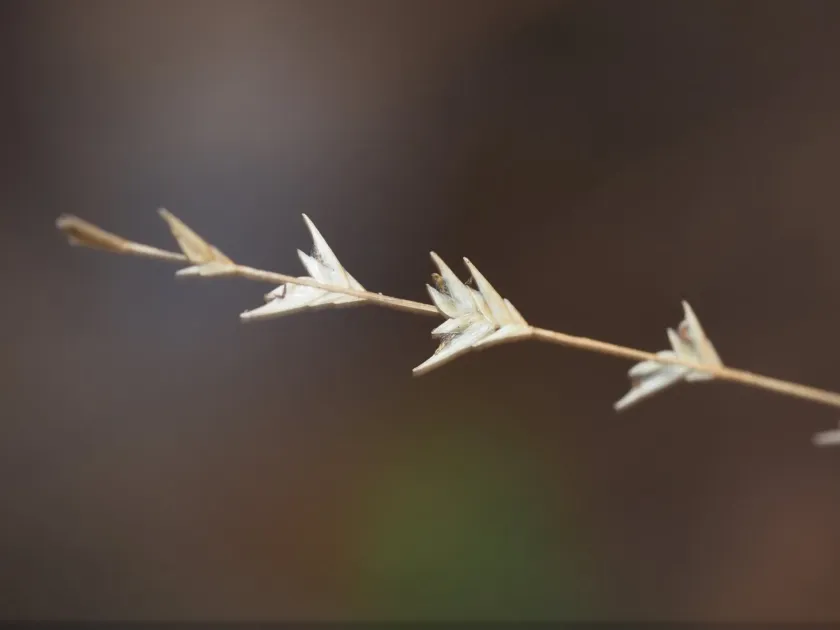
Description
Growing requirements
Chasmanthium laxum, commonly known as slender woodoats, is a perennial grass species in the Poaceae family. Native to the southeastern United States, it is typically found in moist woodland habitats, thriving in shaded environments.
To cultivate this species successfully, growers must ensure a consistent moisture supply. While it is adaptable, the plant performs best in rich, organic-rich soils that are slightly acidic to neutral in pH and well-drained.
Climatic requirements involve moderate protection from extreme heat and drying winds. It is well-suited for temperate regions where the soil stays moist throughout the growing season, preventing the roots from dehydrating.
Regarding agricultural practice, light fertilizer application in early spring can boost vegetative growth. However, excessive nitrogen should be avoided as it can compromise the structural integrity of the stems and lead to lodging.
Space requirements are essential; planting should allow for adequate airflow between individual clumps to maintain plant vigor and prevent microclimatic conditions conducive to disease outbreaks.
Main diseases and pests
The primary threats to Chasmanthium laxum are fungal pathogens associated with waterlogged soils. Root rot is the most common issue in areas where irrigation management is poor or rainfall is excessive.
Leaf spot diseases can occur during humid summers. These fungal issues are typically managed by ensuring proper spacing between plants and removing any foliage that shows signs of necrosis at the end of the season.
While the plant is relatively pest-resistant, aphids can sometimes congregate on the flowering stems. In such cases, a simple high-pressure water spray is often sufficient to manage the population without chemical intervention.
Weed encroachment is a minor threat as the plant matures. Once established, the root system forms a dense enough mass to outcompete most common invasive weeds within its immediate footprint.
Regular monitoring for environmental stress signs, such as yellowing leaf tips, is recommended. Early intervention with improved drainage or localized soil amendments can prevent long-term damage to the plant population.