
Chasmanthera uviformis
Chasmanthera uviformis
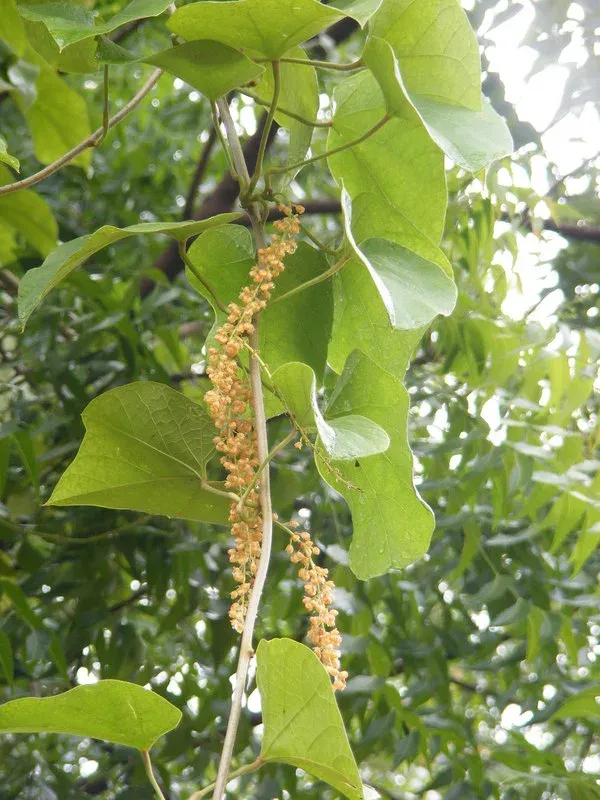
Description
Growing requirements
Chasmanthera uviformis is a perennial woody climber belonging to the Menispermaceae family, naturally occurring in West and Central Africa.
The plant is native to tropical forest environments, where it thrives in shaded or semi-shaded areas, using other woody plants as structural support to climb.
To cultivate this species, it is essential to replicate tropical conditions with high humidity, consistent warm temperatures, and well-draining, nutrient-rich soil.
The vine requires significant vertical space and sturdy trellises or supports to sustain its rapid vegetative growth throughout the active season.
Given its origin, the plant is not frost-tolerant and requires protected environments if grown outside its native tropical and subtropical ranges.
Main diseases and pests
In agricultural settings, the plant can be susceptible to various tropical pests, including aphids and spider mites, which target the soft, growing leaf tissues.
Fungal infections are a constant concern in high-humidity environments; therefore, ensuring adequate airflow around the foliage is a primary preventative measure.
Root rot caused by waterlogging is a significant threat, requiring precise irrigation management to prevent decay in the plant's delicate root system.
Viral diseases affecting forest climbers can manifest as leaf mottling or stunted growth, necessitating the removal of affected plant material to prevent spread.
Integrated pest management, including the use of botanical extracts, is often employed to keep the plant healthy without using harsh synthetic chemicals.