
Chasmanthera dependens
Chasmanthera dependens
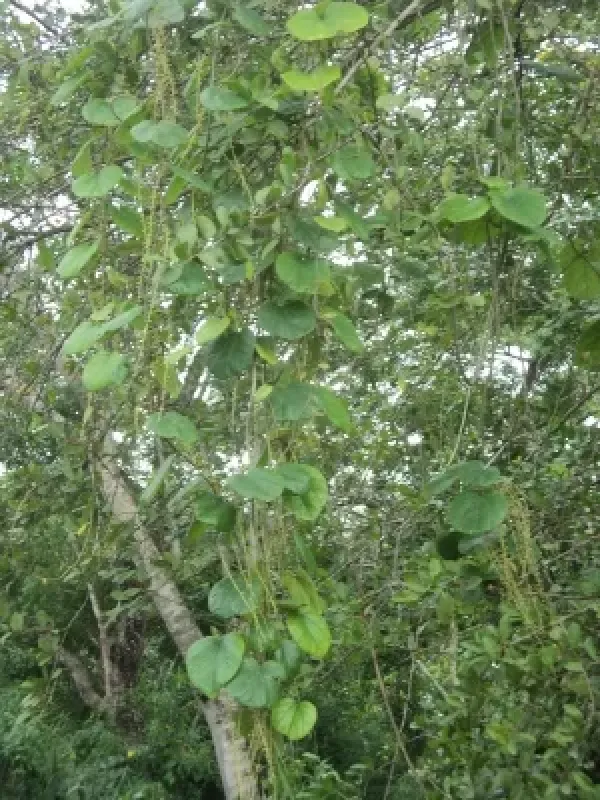
Description
Growing requirements
Chasmanthera dependens is a woody climbing vine native to tropical Africa, belonging to the Menispermaceae family. It typically inhabits tropical forests and savanna fringes, where it thrives in warm and humid conditions.
The plant requires deep, fertile, and well-drained soils to support its vigorous growth. It is highly adapted to tropical climates and struggles significantly in regions with cold winters or arid environments.
To cultivate this species successfully, structural support such as trellises or existing tree canopies is essential for the climbing habit of the vine. It performs best under partial shade or filtered sunlight.
Water requirements are high, especially during the active growth phase. While it can handle minor variations in rainfall, it is not drought-tolerant and requires consistent moisture to maintain leaf health.
Agricultural management includes organic mulching to suppress weeds and retain soil moisture. Regular pruning can help manage the density of the vine, improving air circulation and sunlight penetration.
Yield
The primary utility of Chasmanthera dependens lies in its use as a medicinal plant. Its stems, leaves, and roots are harvested for their therapeutic properties, which include antipyretic and anti-inflammatory actions.
Yield capacity depends on the maturity of the vine and the quality of the supporting structures. Harvesting is typically done throughout the year, with a focus on sustainable collection to ensure longevity.
The extracted compounds, such as alkaloids, are utilized in local healthcare systems. The processing of raw material involves careful air-drying in shaded conditions to preserve the efficacy of active ingredients.
Production efficiency can be improved by optimizing planting density and providing adequate nitrogen-based organic fertilizer during the early growth stages.
As interest in tropical pharmacology grows, the market value of sustainably sourced raw material from this species continues to offer potential for local agricultural cooperatives.
Main diseases and pests
Fungal diseases, specifically leaf spots and root rots, represent the most significant threat to plant health, especially in high-humidity conditions without proper drainage.
Various insect pests, including beetles and caterpillars, can cause significant defoliation if left uncontrolled. These pests not only reduce plant vigor but can also facilitate the spread of secondary infections.
Preventive measures include maintaining appropriate plant spacing to ensure air movement. Removing dead or infected foliage promptly is a standard practice to curb disease spread.
Nematodes can pose a risk in certain soils, particularly if the land is used continuously without rotation or soil improvement. Incorporating composted organic matter helps strengthen the root system.
Integrated pest management strategies are recommended, emphasizing biological controls to protect the medicinal quality of the harvest from excessive chemical residue.