
Chamaemeles coriacea
Chamaemeles coriacea
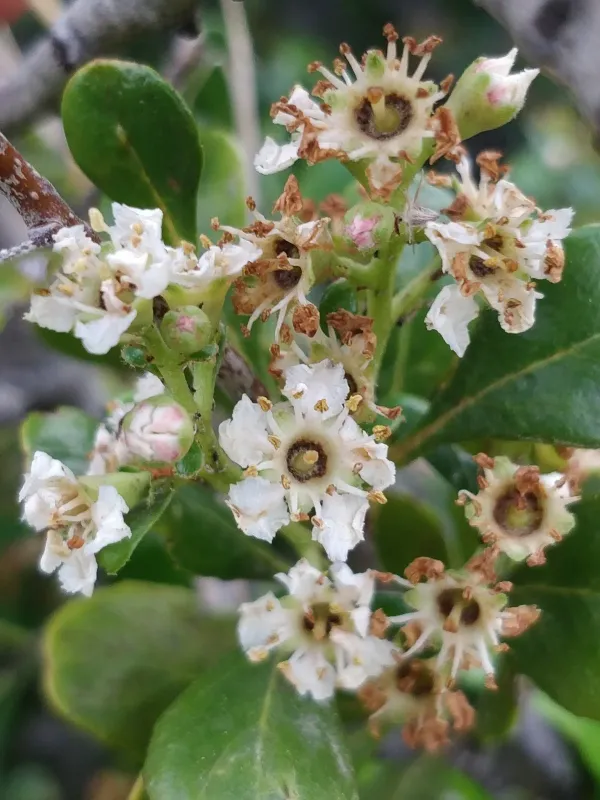
Description
Growing requirements
Chamaemeles coriacea is a distinct botanical species belonging to the Rosaceae family. This shrub is primarily known as an endemic plant native to the island of Madeira, showcasing specific adaptation traits to its isolated environment.
The plant is characterized by its coriaceous, or leathery, leaves, which are an evolutionary response to environmental stress. This morphological feature helps the plant maintain water balance and survive in challenging island climates.
Regarding soil requirements, the species thrives in well-drained, porous substrates. It performs best in rocky or volcanic-origin soils that prevent waterlogging and allow for deep aeration of the root system.
The climatic conditions for this crop must be mild and consistent. High atmospheric humidity and avoidance of temperature extremes are crucial for the long-term stability and healthy growth of this delicate species.
While agricultural cultivation is not currently a standard practice for this plant, its importance lies in biodiversity conservation. Research focuses on maintaining its genetic purity in specialized botanical collections.
Main diseases and pests
The primary threat to Chamaemeles coriacea in the wild is the encroachment of invasive plant species that compete for resources. This competition forces the endemic species into smaller, more fragmented habitats.
Pathogenic threats include leaf-spotting fungi, which can spread rapidly under conditions of poor airflow or high humidity. Maintaining proper space between plants is essential for effective disease management.
Pests, particularly sap-sucking insects like aphids, can pose a risk to younger shoots. Infestations need to be managed through sustainable methods to ensure the survival of the plant's delicate tissues.
Root rot is another significant concern, typically caused by improper watering practices or heavy, water-retaining soils. Proper moisture control is the foundation of preventing systemic failure in the shrub.
Overall, protective cultivation is strictly monitored to prevent damage from pathogens and environmental degradation. Regular inspections are required to ensure the plant remains free of biological stressors.