
Chamaegastrodia shikokiana
Chamaegastrodia shikokiana
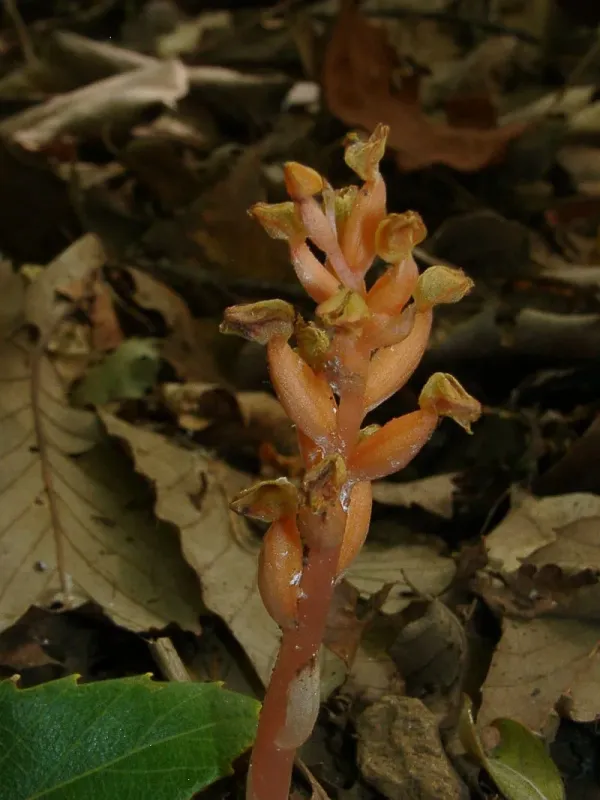
Description
Growing requirements
Chamaegastrodia shikokiana is a remarkable member of the Orchidaceae family, characterized by its mycoheterotrophic lifestyle. Unlike typical crops, this plant lacks chlorophyll and cannot perform photosynthesis, relying entirely on symbiotic relationships with underground fungi for nutrients.
The native range of this species is restricted to specific forest habitats in East Asia, including regions in Japan and the Korean Peninsula. It thrives in deeply shaded, moist environments where rich organic soil allows the development of the fungal networks essential for its survival.
Ecologically, the plant requires a stable microclimate characterized by high humidity and consistent substrate temperature. Cultivation of this species outside its natural habitat is extremely difficult and currently not considered a viable agricultural practice due to the complexity of the orchid-fungus symbiosis.
Botanically, it appears as a small, delicate herb with a modest stem and subtle flowers. Its entire existence is synchronized with the life cycles of its host fungi, which makes the plant a fascinating subject for botanical research rather than commercial production.
The plant has no traditional agricultural uses and is protected as a rare biodiversity element. Its value lies primarily in ecological studies, as it provides critical insights into the evolution of specialized nutritional strategies among flowering plants.
Main diseases and pests
The primary threat to Chamaegastrodia shikokiana is the ongoing loss of its natural habitat due to deforestation and land development. Since the plant cannot survive without specific fungal partners, the disturbance of forest soil structure often leads to local extinction.
The species is highly susceptible to chemical pollution, as any synthetic fertilizers or fungicides applied in nearby areas can disrupt the essential mycorrhizal connection. There are no known resistance mechanisms against modern agricultural chemicals.
Natural pests, such as small soil-dwelling insects or herbivores, may pose a risk by damaging the reproductive parts, but these are secondary compared to the broader threats posed by changing climatic conditions and habitat fragmentation.
Research into specific diseases affecting this species is minimal, as it is not an agricultural crop. Potential issues such as mold or rot are mainly observed during failed attempts to propagate the plant in artificial, non-sterile, or overly wet conditions.
Conservation strategies are focused on protecting the integrity of forest ecosystems where the species is known to occur. The survival of the plant is directly tied to the health of the subterranean microbial ecosystem rather than human-managed cultivation techniques.