
Chamaecrista glandulosa
Chamaecrista glandulosa
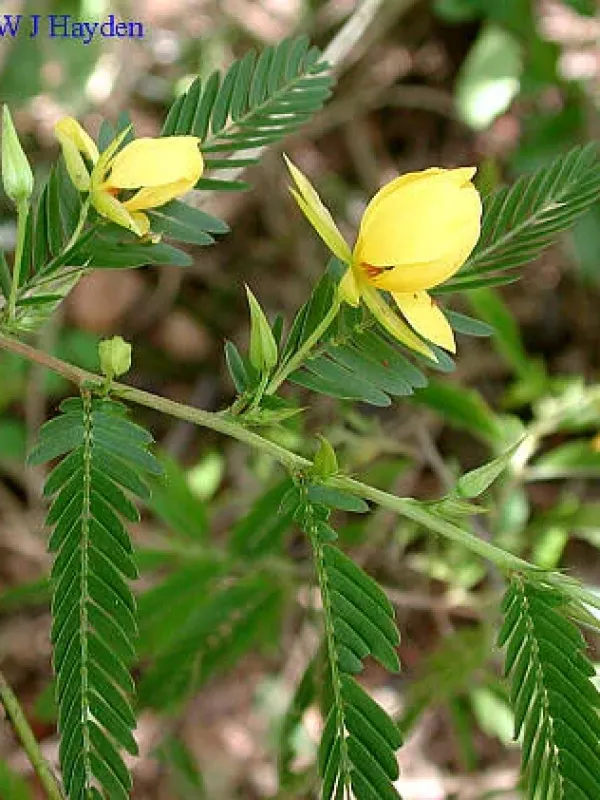
Description
Sowing dates
Chamaecrista glandulosa is a versatile leguminous plant belonging to the Fabaceae family. It is widely recognized for its ability to thrive in tropical and subtropical climates, making it an essential species for various agricultural and land restoration projects.
The optimal sowing period for this crop typically coincides with the onset of the rainy season. Adequate moisture at the initial stage is critical to ensure uniform germination and the establishment of a robust root system before any potential dry spells occur.
Seed preparation is a vital step in the cultivation process. Due to the hard seed coat, physical or chemical scarification is recommended to significantly improve germination rates. Seeds should be sown at a shallow depth of approximately 1-2 cm to provide the best balance of oxygen and moisture.
Planting is generally performed in rows with a spacing of 40-50 cm, allowing for efficient field management. Proper plant density is key to achieving a healthy stand that can effectively shade out competing weeds and maximize biomass production per hectare.
Once established, the seedlings demonstrate moderate to fast growth rates. Timely monitoring of the field during the first few weeks is necessary to ensure that young plants are not overtaken by faster-growing weeds, which could compromise the final stand density.
Growing requirements
This species is highly regarded for its adaptability to a wide range of soil types, including poor, acidic, and sandy soils where other legumes might struggle. It is an excellent choice for improving soil structure and increasing organic matter content.
Chamaecrista glandulosa is a sun-loving plant that requires full exposure to sunlight for optimal growth. Shaded environments are not recommended, as they can lead to reduced biomass production, thinner stems, and a decrease in the overall flowering performance of the plant.
Regarding temperature, the crop prefers warm environments with an optimal range between 22 and 30 degrees Celsius. It exhibits significant drought tolerance once established, thanks to its deep taproot system, which accesses water reserves located in deeper soil profiles.
As a legume, it forms symbiotic relationships with nitrogen-fixing bacteria, which allow it to enrich the soil with nitrogen. Minimal application of phosphorus-based fertilizers can be beneficial at planting to jump-start root development and enhance the nitrogen-fixation process.
Well-drained soil is a non-negotiable requirement for this crop. It is highly sensitive to waterlogging and poor drainage, which can lead to root rot and complete failure of the stand. Always choose field sites with gentle slopes or natural drainage channels.
Main diseases and pests
Chamaecrista glandulosa is generally hardy and displays natural resistance to many common plant diseases. However, in high-humidity conditions with poor air circulation, there is a risk of fungal infections such as leaf spots or powdery mildew.
Insect pests can occasionally affect the foliage and reproductive parts. Leaf-feeding caterpillars and certain beetle species are the most common threats. Integrated pest management strategies, such as biological control and timely scouting, are effective in minimizing damage.
Seed predation by weevils and other insects can be a concern for growers interested in seed production. Implementing protective measures during the flowering and pod-filling stages can help safeguard the yield and maintain the quality of the harvested seeds.
Weed competition remains the primary challenge during the early stages of development. Mechanical cultivation between rows is the most effective approach for weed management, as it keeps the field clear while simultaneously loosening the soil surface for aeration.
To ensure long-term crop health, growers should practice proper crop rotation and avoid planting on the same land consecutively if signs of soil-borne pathogens appear. Keeping the field margins clean of weeds also reduces the risk of pest and disease migration.