
String of hearts
Ceropegia linearis E. Mey. subsp. woodii (Schltr.) H. Huber
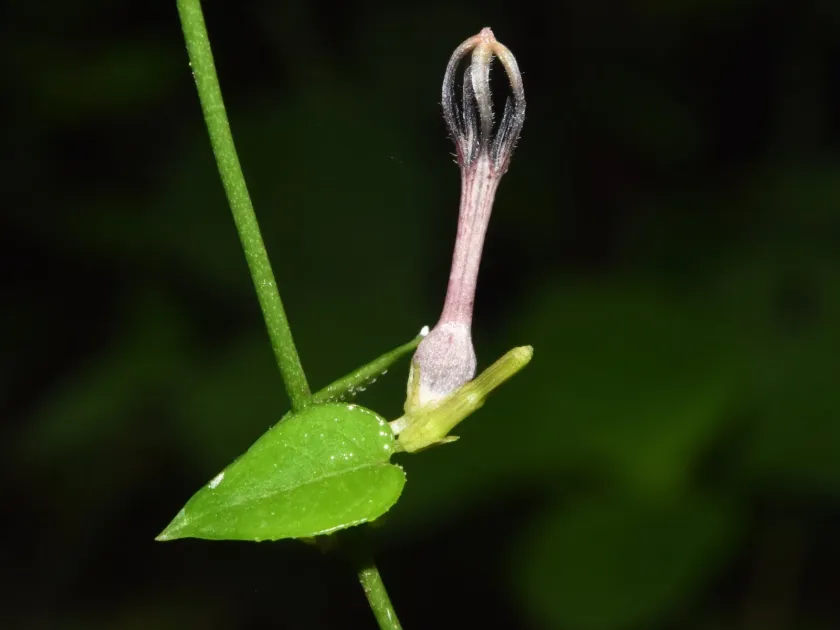
Description
Growing requirements
Ceropegia woodii, commonly known as the String of hearts, belongs to the Apocynaceae family. Native to South Africa, it has evolved as a succulent plant capable of thriving in rocky terrain with minimal nutrient availability.
Botanically, it is defined by its slender, trailing stems and heart-shaped, variegated foliage. A distinctive trait of this species is the production of small, tuberous structures along the vines, which function as storage organs and means of vegetative propagation.
The crop requires bright, indirect light to maintain the vibrant marble-like patterns on its leaves. Excessive shade causes stems to become leggy and weakens the overall structure of the plant.
Soil requirements focus on drainage. A porous, sandy substrate designed for succulents is essential, as the plant is highly susceptible to root decay if the growing medium remains waterlogged for extended periods.
Temperature management is critical for productivity; it thrives in typical room conditions but benefits from a cooler dormant period during winter, which mimics its natural seasonal cycle and promotes healthier spring growth.
Main diseases and pests
The primary threat to the crop is root rot caused by overwatering. Ensuring that the soil is almost dry before the next irrigation is the most effective cultural practice to mitigate this risk.
Mealybugs are the most common pests, often clustering in the leaf axils. They are difficult to eradicate due to their waxy coating, requiring targeted application of systemic pesticides or manual removal with alcohol swabs.
Spider mites can also become a problem in low-humidity environments. Their presence usually indicates poor air circulation and a dry atmosphere, which can be managed by adjusting the microclimate.
Routine scouting is essential to identify early symptoms of fungal infection, such as yellowing of the stems or softness of the tubers, which indicate that the plant is under excessive moisture stress.
Maintaining a balanced nutrition program is recommended; however, fertilizers should be used sparingly during the active growing season to avoid encouraging weak, susceptible stem growth.