
Ceropegia linearis
Ceropegia linearis E. Mey.
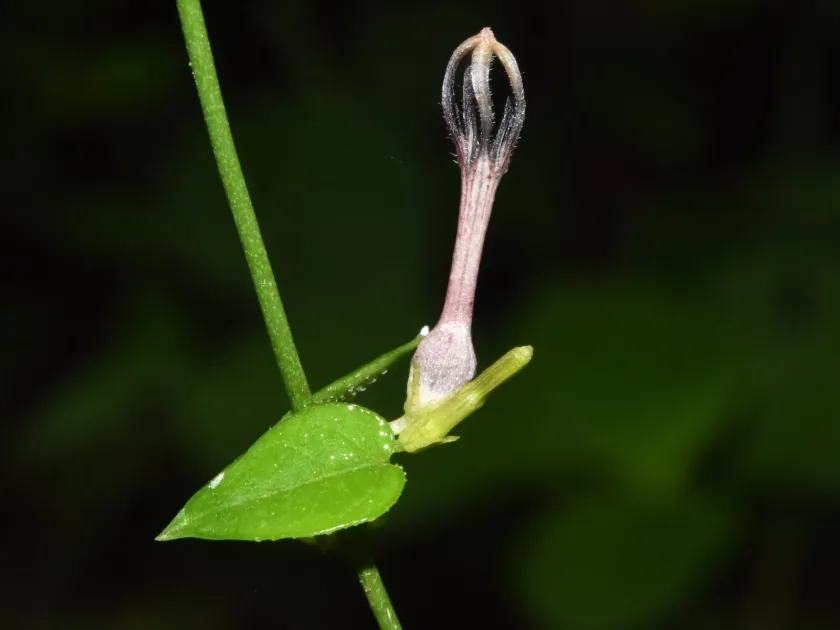
Description
Growing requirements
Ceropegia linearis is a perennial succulent belonging to the Apocynaceae family. Native to the rocky terrains of South Africa, this plant has evolved unique physiological mechanisms to survive in arid environments, including the formation of tuberous roots for water storage.
The botanical structure of the plant consists of trailing or climbing slender stems and linear leaves. This architecture makes it a popular species for vertical gardening or hanging basket cultivation, where it can display its growth habit effectively under controlled conditions.
Optimal growth requires a well-draining substrate specifically formulated for succulents, typically composed of peat, pumice, and coarse sand. A proper container with drainage holes is essential to ensure that excess water does not remain in the root zone for extended periods.
Climate requirements include bright, indirect light exposure. While it can tolerate some direct morning sun, high-intensity afternoon sunlight can damage the foliage. Keeping the ambient temperature between 20°C and 25°C during the growing season is ideal for development.
Agricultural management of the species emphasizes the "soak and dry" method of irrigation. Frequent shallow watering is discouraged, as it promotes superficial root growth and increases the risk of infection, whereas allowing the soil to dry completely mimics the natural cycle of the species.
Main diseases and pests
Common pests affecting Ceropegia linearis include mealybugs and spider mites. These pests thrive in poorly ventilated areas or environments with improper humidity levels, frequently settling on the undersides of leaves or within stem nodes.
Pathogenic fungi resulting in root rot are the primary threat to the health of the plant. Preventive measures include ensuring good air circulation around the stems and implementing a strict fertilization schedule, avoiding nitrogen-heavy inputs that can weaken the tissue and make it susceptible to infections.