
Chaetocarpus pubescens
Chaetocarpus pubescens
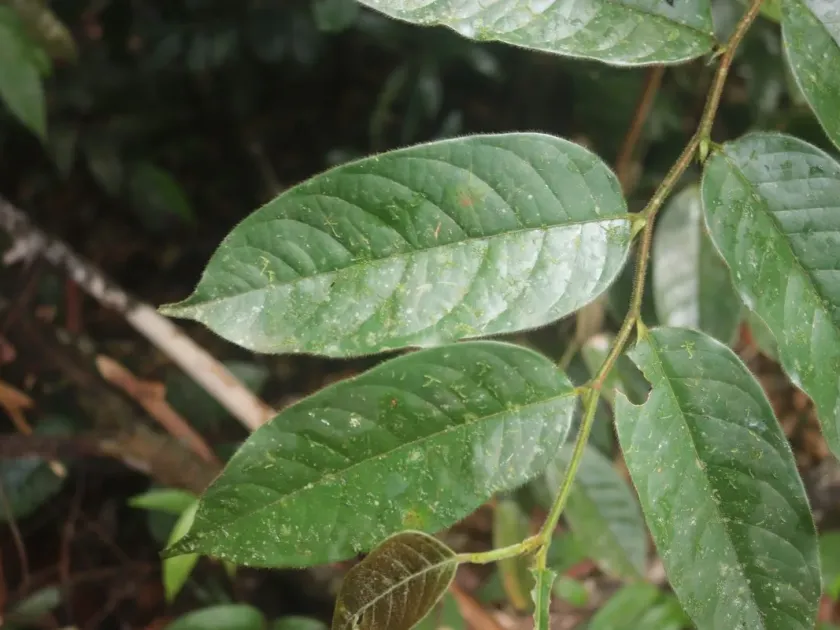
Description
Sowing dates
Chaetocarpus pubescens is a tropical tree species belonging to the Euphorbiaceae family. In its native habitat, natural propagation occurs via seeds, which typically germinate at the onset of the rainy season when soil moisture is at its peak.
For forestry cultivation, seed preparation is crucial due to the hard seed coat that can impede germination. Pre-treatment methods such as scarification or soaking are recommended before planting in nursery beds.
Seedlings should be transferred to their final location when they reach 4 to 6 months of age. This transition timing must coincide with the start of the wet season to ensure maximum root establishment before the dry heat.
Planting density should be carefully planned based on the intended land use. For restoration or windbreak purposes, a grid of 3x3 meters is standard, while timber plantations may require adjusted spacing to optimize growth.
The first two years after sowing are critical. During this phase, rigorous weed management around the base of the young trees is necessary to prevent competition for light, water, and essential soil nutrients.
Growing requirements
The species requires a tropical climate with a reliable wet season. It is highly sensitive to frost and thrives in environments where average temperatures remain consistently between 20°C and 25°C throughout the year.
Soil requirements involve well-drained conditions, ideally with a neutral to slightly acidic pH. Waterlogging is detrimental to this species, as it often leads to root decay and overall poor plant health.
Chaetocarpus pubescens favors high-light intensity for optimal development. While young plants can tolerate partial shade, mature trees require significant sun exposure to produce dense, high-quality wood.
Annual rainfall requirements are estimated between 1500 mm and 2500 mm. In regions experiencing seasonal dry spells, supplemental irrigation is essential to prevent leaf drop and reduced biomass accumulation.
Optimal site selection includes alluvial soils or well-drained hillsides where aeration is naturally high. Avoiding low-lying areas prone to standing water is a fundamental rule for successful plantation management.
Yield
The primary economic output of this culture is its durable timber, which is valued for its strength and resistance. Yield is measured in terms of cubic meters of merchantable wood per hectare at maturity.
The biological production cycle is long, spanning several decades, which requires a strategic approach to forest planning. Sustainable management allows for consistent growth rates and healthy stand development over time.
The timber is utilized for various agricultural implements, fencing posts, and small-scale structural framing. Its density makes it a preferred choice for local infrastructure projects where longevity is a priority.
Secondary use of plant materials, including potential chemical extraction from seeds or leaves, offers future prospects for the pharmaceutical industry, although these are currently less explored commercially.
Operational efficiency is achieved through controlled stand density and timely maintenance. Properly managed plantations can see significantly higher timber yields compared to natural, unmanaged forest stands.
Main diseases and pests
The species is susceptible to various tropical pests, with leaf-eating caterpillars being a common concern. Monitoring programs are necessary to identify early signs of infestation and prevent defoliation.
Fungal pathogens, particularly Phytophthora species, pose a threat to roots and stems, especially in conditions of excessive humidity or poor soil drainage. Maintaining proper airflow is a key preventive measure.
Leaf spot diseases are another common issue that can impact photosynthetic efficiency and growth rates. Fungal infections should be addressed promptly with approved agricultural fungicides if necessary.
Wood-boring insects can damage mature timber, causing structural weakness. Periodic inspections of trunks and branches help in identifying and removing infested trees to prevent the spread of these borers.
Integrated Pest Management (IPM) strategies, which include the use of natural enemies and selective clearing of undergrowth, are recommended to maintain an ecological balance within the plantation.
Harvesting
Harvesting is conducted via selective felling, targeting trees that have reached the specified diameter for timber use. This approach ensures the sustainability of the remaining forest stand and encourages natural regeneration.
Professional felling techniques must be strictly followed to prevent wood splitting and damage to surrounding young growth. Proper tool maintenance is essential for high-quality harvesting results.
Post-harvest, timber requires immediate sorting and primary processing. Logs should be protected from soil moisture and pests, often by elevating them or transporting them to dry storage facilities quickly.
Local primary processing often involves debarking and basic saw-milling. This reduces logistics costs and allows for more efficient transportation of the raw material to further manufacturing stages.
A successful harvest cycle concludes with replanting or site preparation for natural regrowth. This continuity ensures the long-term viability of the land as a source of sustainable forest resources.