
Chaetocarpus castanocarpus
Chaetocarpus castanocarpus
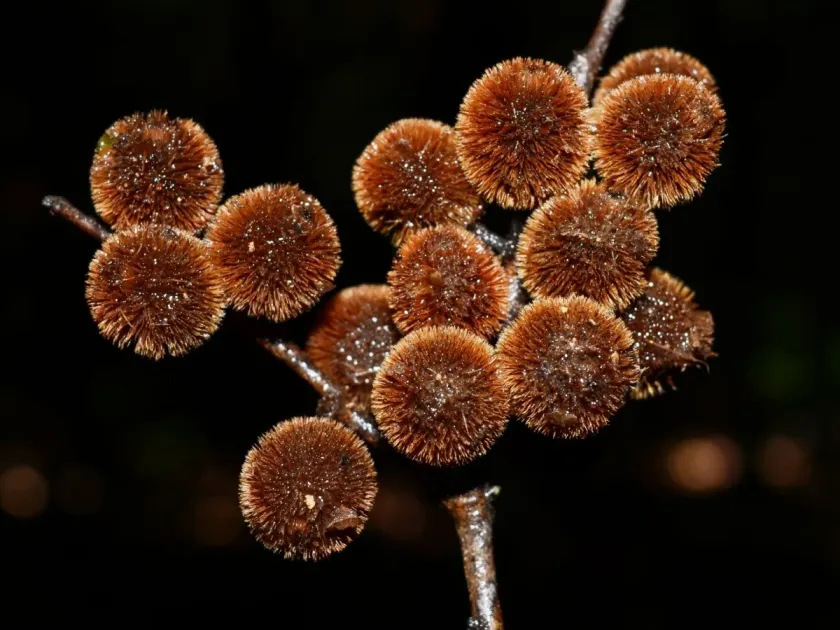
Description
Growing requirements
Chaetocarpus castanocarpus is an evergreen tree belonging to the family Euphorbiaceae. It is a resilient species that typically thrives in the dense, humid environments characteristic of tropical rainforests across South and Southeast Asia.
The geographic range of this species extends from India to parts of the Indochinese peninsula. It is found in habitats that provide consistent annual rainfall and minimal temperature fluctuations, which are essential for its vigorous growth cycle.
The cultivation of this species requires well-drained soil types. While it can adapt to various soil compositions, the presence of organic matter and proper aeration are critical factors to prevent root rot and ensure optimal mineral uptake.
Agronomic management focuses on maintaining moderate light conditions, as the species is well-adapted to the understory and sub-canopy layers of tropical forest ecosystems. Proper spacing is required to ensure adequate development of the tree canopy.
Economically, the species is valued for its hard and durable wood. It is utilized in local woodworking and construction, while the tree also plays a significant role in carbon sequestration and soil stabilization in reforestation projects.
Main diseases and pests
The primary threat to the health of Chaetocarpus castanocarpus in cultivation is fungal infection affecting the root system. This is frequently exacerbated by waterlogged soil conditions resulting from poor drainage systems.
Pests targeting the cambium and xylem are common in high-density plantations. Early detection through regular field inspections is necessary to prevent significant damage to the timber quality of the trees.
Climatic instability, particularly prolonged drought, can lead to severe physiological stress. In such cases, supplemental irrigation is required to maintain the tree's health and prevent permanent tissue damage.
Leaf pathogens can also occur during transition periods between dry and wet seasons. Implementing proper sanitation practices, such as clearing leaf litter, helps minimize the spread of fungal spores within the plantation.
Integrated pest management strategies are recommended to maintain the long-term sustainability of the trees. Focusing on ecological balance allows for the reduction of chemical intervention in forest nurseries and commercial plots.