
Thorny elm
Chaetachme aristata
Description
Growing requirements
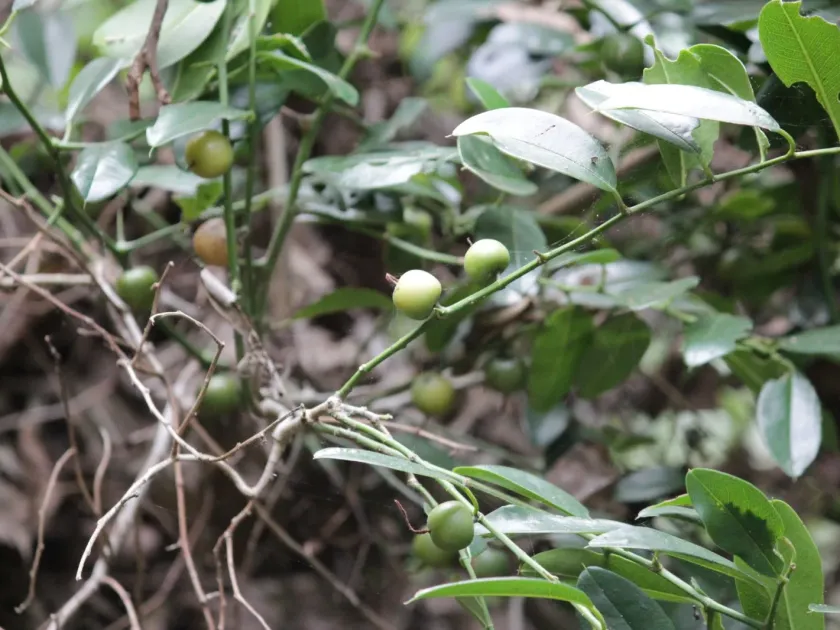
Chaetachme aristata, commonly known as the thorny elm, is an evergreen tree or spiny shrub belonging to the Cannabaceae family. The species is native to the tropical and subtropical regions of Africa, extending across a broad range from South Africa through to East and Central Africa.
Botanically, the species is characterized by tough, leathery leaves and sharp spines located in the leaf axils, which serve as an effective protective barrier when planted as a hedge. The flowers are small and inconspicuous, eventually developing into small, yellowish or orange edible fruits that are favored by birds and small mammals.
For optimal growth, the species thrives in loose, well-drained soils with a neutral or slightly acidic pH level. Once established, the plant exhibits remarkable drought tolerance, although young specimens require consistent irrigation to successfully develop a robust root system capable of sustaining maturity.
Climatic requirements generally align with tropical and subtropical zones experiencing moderate rainfall. The tree shows high adaptability to varying light intensities, ranging from full sun to partial shade, making it a valuable candidate for reforestation efforts in diverse African ecosystems.
Economically, the species is highly valued for its exceptionally hard and durable wood, which is traditionally utilized for carpentry, tool handles, and construction purposes. Beyond timber, the plant plays a crucial role in maintaining local biodiversity by providing essential food resources for fauna and serving as an ornamental feature in landscape architecture.
Main diseases and pests
The thorny elm is considered a hardy species; however, in conditions of excessive humidity, it may be susceptible to various fungal leaf infections. Common pests affecting the plant include leaf-eating insects and aphids, which predominantly target young shoots during periods of vigorous growth.