
Ceratostigma minus
Ceratostigma minus
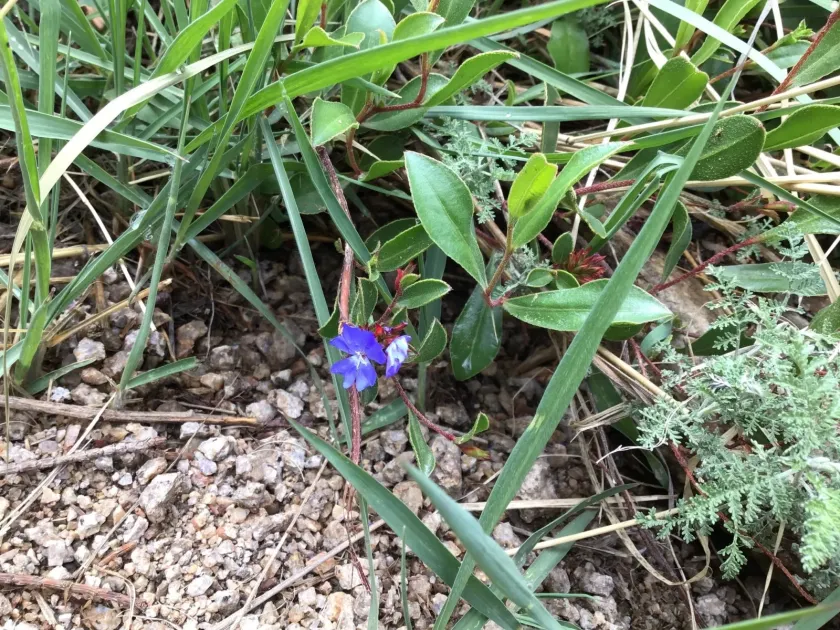
Description
Growing requirements
Ceratostigma minus is a perennial plant belonging to the Plumbaginaceae family. It is recognized for its low, spreading habit and vivid blue flowers that appear late in the season, making it a distinct choice for rock gardens and perennial borders.
Originating from the mountainous regions of Western China, this species is adapted to rocky, well-drained environments. Its botanical characteristics include woody stems at the base and foliage that often turns shades of bronze or red during the autumn period.
The cultural requirements are centered on excellent drainage and sunlight. Ceratostigma minus thrives in positions where it receives full exposure to light, which encourages denser growth and more abundant floral displays throughout the blooming season.
Regarding soil, it prefers slightly alkaline to neutral conditions. It is essential to ensure that the planting medium is not heavy or clay-like, as this increases the risk of water retention around the root collar, which is a major point of vulnerability for the species.
General maintenance includes annual pruning in the spring to remove dead wood and encourage new growth. Given its geographical origin, it is relatively hardy, though it benefits from winter protection in cooler climate zones to ensure successful overwintering.
Main diseases and pests
The primary threat to Ceratostigma minus is root rot, which typically occurs when the plant is kept in waterlogged soil. Proper soil structure is the most critical factor in mitigating this risk during the dormant season.
Fungal diseases, including powdery mildew, may manifest in humid conditions or areas with poor air circulation. Ensuring sufficient spacing between individual plants allows for airflow, which significantly reduces the likelihood of these pathogens establishing themselves.
Pests such as aphids and spider mites can occasionally affect the plant, particularly during dry, hot weather. These insects feed on the sap, potentially weakening the plant and making it more susceptible to environmental stress or secondary infections.
Integrated pest management, including the use of neem oil or soft soap solutions, is often effective for minor infestations. Always ensure that the treatment is applied during the cool parts of the day to prevent leaf burn from chemical reactions or intense sunlight.
Consistent monitoring and early detection are key to maintaining the health of this culture. By maintaining a clean environment around the base of the plant and removing debris, you minimize the habitats where pests can shelter and multiply.