
Ceratocarpus arenarius
Ceratocarpus arenarius
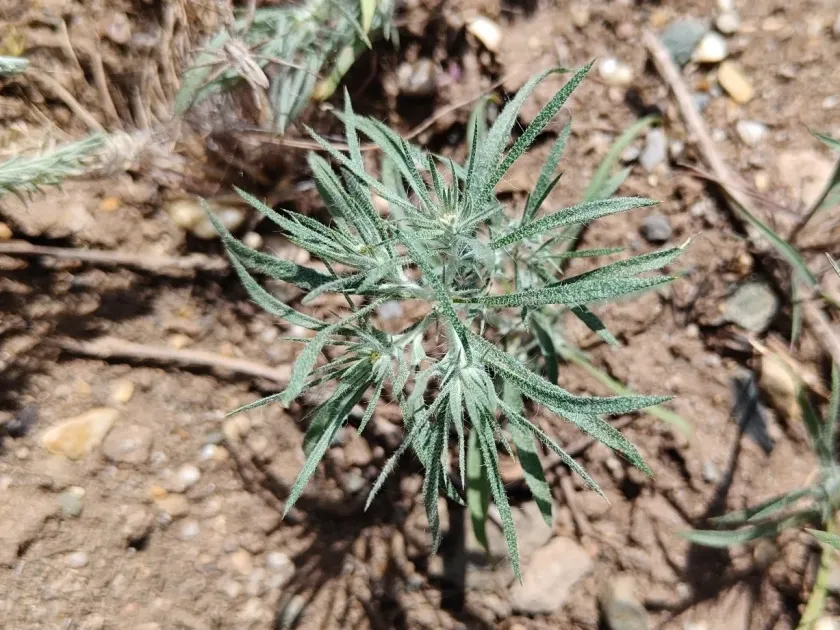
Description
Sowing dates
Ceratocarpus arenarius is an ephemeral plant, so its vegetation cycle is closely tied to the timing of precipitation in desert and semi-desert zones. The seeds germinate in early spring, immediately after snowmelt or when soil moisture levels are sufficient.
In cultivation, sowing is carried out as early as possible to take advantage of stored winter moisture before the arrival of extreme summer temperatures. The optimal planting window is generally late February or March, depending on the specific region and the climatic patterns of the year.
Successful seed germination requires stable, warm weather and the absence of prolonged late frosts, which can damage young seedlings. The seeding depth is typically shallow, around 1 to 2 centimeters, reflecting the plant's size and biological adaptation to sandy soil conditions.
The crop exhibits high germination vigor when moisture is available, allowing it to colonize available space rapidly. Seeding density is adjusted based on usage goals: a lower density is acceptable for grazing purposes, considering the plant's potential for natural regeneration.
Special attention should be paid to seed quality during sowing, as the germination rate of Ceratocarpus can vary depending on the maturation conditions of the parent plant. Pre-sowing soil preparation is usually minimal to help maintain soil structure and conserve moisture.
Growing requirements
This species belongs to the Amaranthaceae family and is a typical plant of arid zones, adapted to survive under conditions of severe water scarcity. It demonstrates high resistance to drought and soil salinity, making it a promising candidate for use on degraded lands.
The plant thrives in sandy, sandy-loam, or stony soils where other agricultural crops often fail. It performs well in saline soils and soils with high gypsum content, exhibiting halophytic traits that allow it to tolerate significant concentrations of salts in the soil solution.
Ceratocarpus arenarius is not demanding regarding climate, though it develops most actively during the combination of moderate spring moisture and hot, dry summers. It can withstand short-term temperature fluctuations characteristic of continental desert climates.
A critical requirement for healthy growth is the absence of standing water in the root zone. The plant is extremely sensitive to waterlogging, which can lead to root rot; therefore, areas with high groundwater levels are unsuitable for its cultivation.
In terms of agrotechnics, Ceratocarpus does not require large amounts of fertilizer, as it is adapted to nutrient-poor soils. However, in severely depleted areas, light nitrogen fertilization at the start of the vegetative stage can slightly increase biomass production.
Main diseases and pests
As a wild-growing plant in its natural environment, Ceratocarpus arenarius is rarely subject to large-scale disease outbreaks. The primary threat stems from fungal infections that may develop during unusually humid and warm summer periods, which are atypical for its natural range.
Pest organisms common to other Amaranthaceae crops may occasionally affect Ceratocarpus. These include various leaf-mining flies and aphids, which feed on the sap of young leaves and stems, potentially weakening the plant's overall vigor.
Among diseases, root rots are the most common, appearing primarily when agrotechnical standards are neglected or when the soil remains too wet. These pathogens can rapidly destroy stands during early growth stages, making proper drainage a key preventive measure.
Weed infestation represents the main competitive challenge for this crop during the early stages of vegetation. Due to its relatively slow growth in the first few weeks, the crop can be suppressed by more aggressive weeds, necessitating early-season weed management.
Wildlife and pests characteristic of steppe zones may damage stands during periods of active growth. Monitoring populations of grasshoppers and locusts is an important protection element, as these pests can cause significant damage to the green mass, especially in dry years.