
Red valerian
Centranthus ruber (L.) DC.
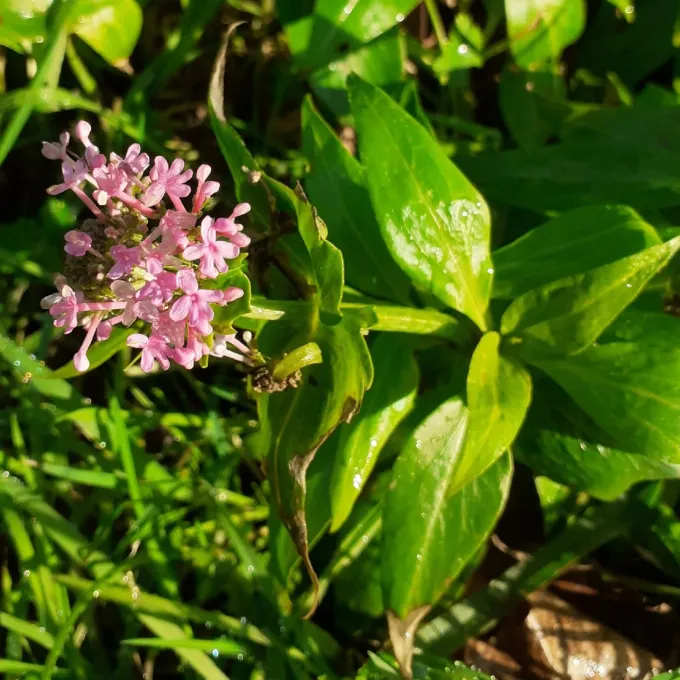
Description
Sowing dates
Sowing seeds of Centranthus ruber is best performed in spring once the threat of heavy frost has passed. The seeds are small and light-sensitive, meaning they should be sown shallowly on the surface of the soil rather than covered with a thick layer of compost to ensure successful germination.
For earlier blooms, starting seeds indoors in late winter is a recommended practice. Using a sterile seed-starting mix and maintaining a temperature around 20 degrees Celsius allows for rapid growth. Seedlings should be thinned out once they develop their first set of true leaves to avoid overcrowding.
Transplanting hardened-off seedlings to their final location in the garden should be done after the soil has warmed up in late spring. Providing a spacing of 30 to 45 centimeters between plants ensures adequate air circulation, which is vital for preventing fungal diseases in mature bushy specimens.
The chosen site must be fully exposed to the sun to maximize the plant's flowering potential. Red valerian thrives in sunny positions where other plants might struggle with dehydration, making it an excellent candidate for filling gaps in south-facing garden borders or rock gardens.
Note that red valerian is known for its ability to self-seed aggressively in favorable conditions. If you wish to limit its spread, deadheading the spent flower stalks is necessary before the seed heads dry out and release their seeds into the surrounding garden soil.
Growing requirements
Red valerian is a resilient perennial belonging to the Caprifoliaceae family. Originally native to the Mediterranean region, it is well-adapted to rocky, arid environments where soil nutrients are scarce, making it a perfect plant for low-maintenance garden designs.
The plant performs best in well-drained, alkaline or neutral soils. It is particularly valued for its ability to grow in challenging locations such as stone walls, gravel paths, and crevices where deeper soil is unavailable, as its strong taproot can easily penetrate narrow spaces.
Moisture management is critical; while red valerian is highly drought-tolerant once established, it cannot tolerate "wet feet" during winter. Ensuring the soil provides excellent drainage is the most important factor in keeping the plant healthy and preventing rot during the dormant season.
Beyond its low water requirements, the plant is relatively undemanding regarding fertilization. Excessively fertile soil often leads to leggy growth and fewer flowers, so the plant is better off with minimal input, focusing instead on sunlight exposure and maintaining the soil's alkaline balance.
Pruning is an essential part of red valerian care to maintain its ornamental appeal. Cutting the plants back by half after the initial flush of flowers not only keeps the plant looking tidy but often triggers a second, slightly smaller wave of blooms later in the summer season.
Main diseases and pests
Red valerian is generally robust and free from significant pest and disease issues. The most common cause of failure is waterlogging, which can lead to crown and root rot. By prioritizing soil drainage, gardeners can easily avoid this common issue that otherwise weakens the plant's health.
Slugs and snails can sometimes target young foliage in early spring, especially during humid weather. Utilizing organic barriers like crushed eggshells or environmentally friendly slug pellets is usually sufficient to manage these populations without negatively impacting other garden wildlife.
In poorly ventilated or overly humid garden spots, powdery mildew may appear on the foliage. While this is primarily an aesthetic issue, it can be mitigated by removing affected leaves and ensuring that the planting site has good airflow to prevent moisture buildup on the leaf surfaces.
Aphid infestations are occasionally seen during dry spells, primarily on the tender developing flower buds. Simple interventions, such as washing the plants with a gentle stream of water or using insecticidal soaps, are effective at controlling these pests without the need for harsh synthetic chemicals.
By following these simple horticultural practices, red valerian can remain a long-lived and healthy addition to any landscape. The plant's innate hardiness combined with a proactive approach to soil drainage ensures it remains a low-maintenance favorite for sustainable gardening.