
Centipede grass
Eremochloa ophiuroides (Munro) Hack.
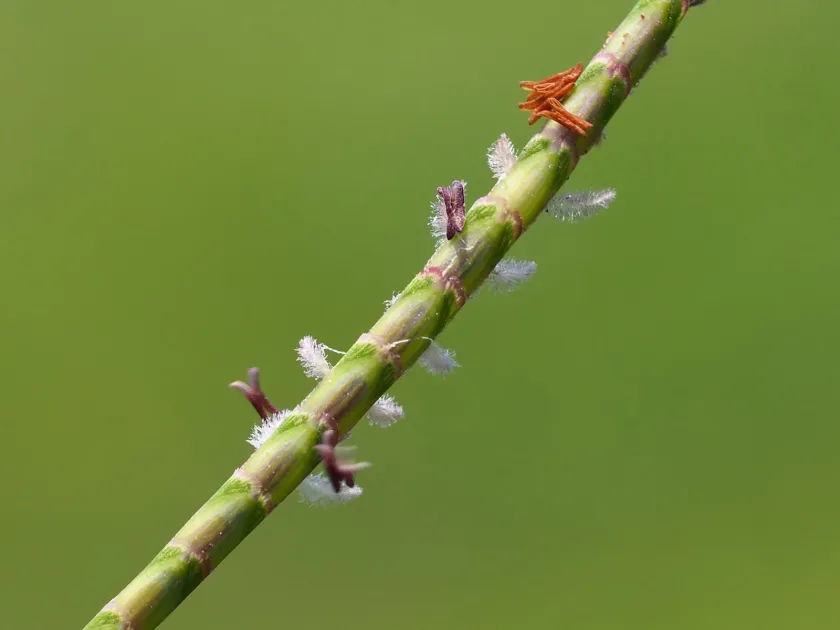
Description
Growing requirements
Centipede grass (Eremochloa ophiuroides) is a popular perennial turfgrass species belonging to the Poaceae family. It is widely recognized for its ability to form a dense, low-growing mat, making it an excellent choice for lawns in warm-climate regions.
Originating from Southeast Asia, this grass has adapted to thrive in acidic, nutrient-poor soils where other lawn grasses might struggle. Its ability to outcompete weeds makes it a preferred option for homeowners seeking low-maintenance landscape solutions.
The plant has specific climatic requirements, primarily needing plenty of sunshine and consistent warmth to flourish. It is not cold-hardy, limiting its widespread use to subtropical and tropical regions where winter freezes are minimal or non-existent.
Botanically, it is defined by its creeping stolons that spread horizontally across the ground. These stolons are key to its growth habit, allowing the grass to fill in empty spaces and create a uniform, deep-green carpet that requires very little fertilization.
The primary use of centipede grass is for residential lawns and park areas. Because of its slow growth rate, it is frequently chosen for sites where frequent mowing is impractical, and it also serves as an effective ground cover to prevent soil erosion.
Main diseases and pests
Fungal diseases, such as leaf spot or large patch, represent the most significant threat to the health of a centipede grass lawn. These issues are often exacerbated by excessive moisture, high nitrogen levels, or poor soil drainage.
Insect pests, including ground pearls and mole crickets, can severely damage the root systems of the grass. Early detection is crucial, and management strategies should focus on maintaining healthy, vigorous growth to help the grass recover from minor damage.
Over-fertilization with nitrogen is a common mistake that can make the turf more susceptible to both diseases and cold injury. It is recommended to use fertilizers specifically formulated for this species to ensure the correct nutrient balance.
Thatch accumulation can lead to increased vulnerability to pests and diseases by hindering water infiltration. Periodic dethatching and aeration are essential maintenance practices for sustaining a high-quality turf surface over time.
During the dormant winter season, the grass is susceptible to cold stress. While it can recover in the spring, protecting the turf from excessive wear during the winter months helps ensure a more robust green-up when temperatures rise.