
Centella asiatica
Centella asiatica (L.) Urb.
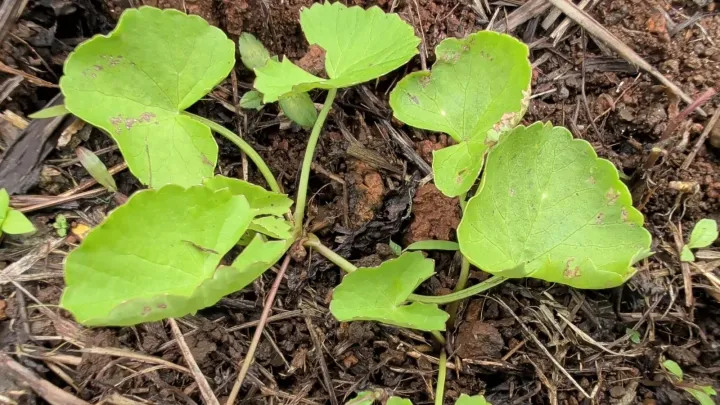
Description
Sowing dates
Centella asiatica is a tropical perennial that requires warm conditions to thrive. In tropical regions, sowing can occur year-round, while in temperate zones, planting should be timed for the frost-free spring period.
Propagation is most efficiently achieved through stolons or root division. Simply sectioning the mature plant and replanting rooted runners is the fastest way to establish a high-density production field.
When starting from seeds, ensure the substrate remains consistently moist, as the seeds have low germination rates if allowed to dry out. Use a fine-textured, peat-based growing medium.
When planting out, maintain a spacing of 20–30 cm between clusters. This allows the plants to spread horizontally via runners without creating conditions that are too crowded or poorly ventilated.
Hydroponic systems are increasingly used for commercial production. This method provides the added benefit of a clean, soil-free harvest, which is highly preferred for pharmaceutical and cosmetic applications.
Growing requirements
Centella asiatica belongs to the Apiaceae family and naturally prefers shaded, swampy, or damp habitats. Maintaining high environmental moisture is essential for maximum leaf biomass production.
The soil should be fertile, well-draining, and rich in organic matter, with a pH level ideally between 5.5 and 7.0. Avoid heavy, compacted soils that restrict stolon growth.
Optimal temperatures for vegetative growth range from +20°C to +28°C. The plant is extremely sensitive to frost and will enter dormancy or die if temperatures drop below +10°C.
Light levels should be kept low to moderate. Direct exposure to intense sunlight often leads to leaf yellowing and a reduction in the concentration of bioactive triterpenes.
Consistent nitrogen-rich organic fertilization is recommended to promote lush vegetative growth. Avoid excessive chemical fertilizers that could degrade the quality of the raw material.
Yield
Crop yield is highly dependent on frequency of harvest and growing conditions. Under intensive cultivation, growers can expect 2–3 kg of fresh biomass per square meter per harvest cycle.
Depending on the climate and growth rate, a harvest can be performed every 60 to 90 days. Proper management allows for 3 to 4 harvests within a single growing season.
To maintain high yield, it is vital to prevent flowering. Flowering shifts the plant’s energy from leaf production to seed development, which significantly reduces the quality of the final herb.
The quality of the yield is defined by the content of triterpenoid saponins. Consistent moisture and controlled environment conditions are the most reliable ways to ensure a high-value product.
Regular maintenance of the stolon structure ensures that the plantation remains productive year after year, allowing for sustainable, long-term agricultural operations.
Main diseases and pests
Common threats include fungal diseases like root rot and leaf spot, typically caused by excessive standing water or poor drainage. Proper airflow is critical to mitigating these issues.
Pests such as aphids and spider mites are frequent offenders, particularly in indoor or greenhouse environments where humidity levels might fluctuate or air remains stagnant.
Slugs and snails can cause significant damage to the succulent leaves, particularly in outdoor beds. Integrated pest management using organic barriers is recommended.
Good agricultural practices, such as sanitizing tools and practicing proper crop rotation, are essential to prevent the spread of soil-borne pathogens across the planting area.
Regular monitoring of the foliage for early signs of yellowing or spotting allows for rapid intervention before a minor pest or disease issue impacts the entire crop.
Harvesting
Harvesting is traditionally done by hand, cutting the plant about 2–3 cm above the soil surface. This technique preserves the root system and nodes, allowing for quick regrowth.
Immediate handling is necessary after harvest. The succulent leaves are prone to rapid wilting and oxidation if left in the sun or at high temperatures after being cut.
Drying should be performed at temperatures below +40°C in a shaded, well-ventilated area. Rapid, high-heat drying can degrade the medicinal components present in the leaf tissue.
The final dried product should retain a vibrant green color and a clean, herbaceous aroma, which serves as a benchmark for quality in the commercial herb market.
Efficient post-harvest processing, including cleaning and rapid drying, is essential for preserving the shelf life and potency of the final Centella asiatica product.