
Cenolophium denudatum
Cenolophium denudatum
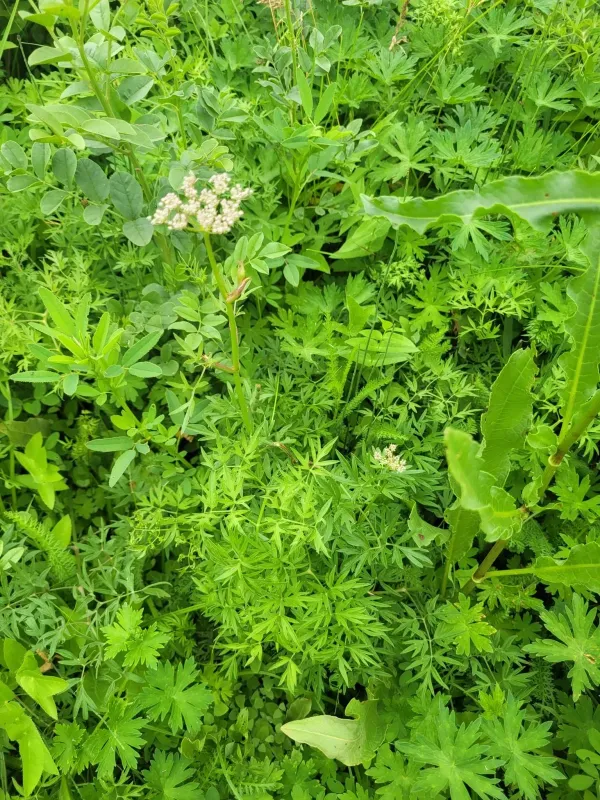
Description
Sowing dates
Cenolophium denudatum is a perennial herbaceous plant belonging to the Apiaceae family. In its natural habitat, it propagates primarily through seeds, which require stratification to achieve optimal germination rates.
For cultivation, seeds should be sown in late autumn or early spring. A shallow seeding depth of 1-2 centimeters is recommended to ensure the seeds maintain necessary contact with moist soil without being buried too deeply.
During the first year, the plant focuses on developing a robust root system and a basal rosette of leaves. The generative phase, characterized by the growth of floral stalks, typically begins in the second year of cultivation.
Optimal planting spacing should consider the mature plant's size, with rows typically spaced 45–60 centimeters apart. This spacing facilitates proper sunlight exposure and allows for efficient mechanical maintenance of the crop.
The plant demonstrates excellent winter hardiness, allowing it to thrive in various temperate climate zones throughout Eurasia. It is well-adapted to surviving harsh winters without requiring specialized protection measures.
Growing requirements
This crop performs best in moist, fertile loam soils with a neutral or slightly acidic pH. While it responds well to organic matter, excessive nitrogen application should be avoided to prevent over-accumulation of vegetative mass.
Although it exhibits a degree of shade tolerance, the plant reaches its highest productivity in full sun. Consistent moisture is required, as extreme drought can significantly inhibit growth and reduce yields.
Soil preparation requires deep tillage to accommodate the plant's long taproot. Proper drainage is essential, particularly in heavier soils, to prevent waterlogging which can lead to root system issues.
As a long-term perennial, the plant can occupy the same area for several years. Regular mineral fertilization is necessary to maintain soil fertility over the lifespan of the crop.
Irrigation management is crucial during the flowering period. Despite its hardiness, providing supplemental water during extended dry spells ensures higher quality seeds and biomass development.
Main diseases and pests
Common threats include fungal diseases such as powdery mildew, which can spread quickly in high-humidity conditions. Maintaining proper air circulation between plants is a primary preventive strategy.
Pests like aphids and various moths can damage the foliage and developing flower heads. Regular scouting of the field is recommended to manage infestations early in their development.
Slugs may become problematic in damp, shaded parts of the field. Maintaining a clean field free of weeds around the plants helps minimize these pest populations.
Root rot is often associated with poor drainage or overwatering. Managing the hydro-regime of the field is the most effective way to prevent the loss of perennial stocks to soil pathogens.
Chemical weed control should be approached with caution due to the crop's sensitivity. Mechanical cultivation between rows remains the preferred method for managing weed pressure.