
Cedrelopsis grevei
Cedrelopsis grevei Baill.
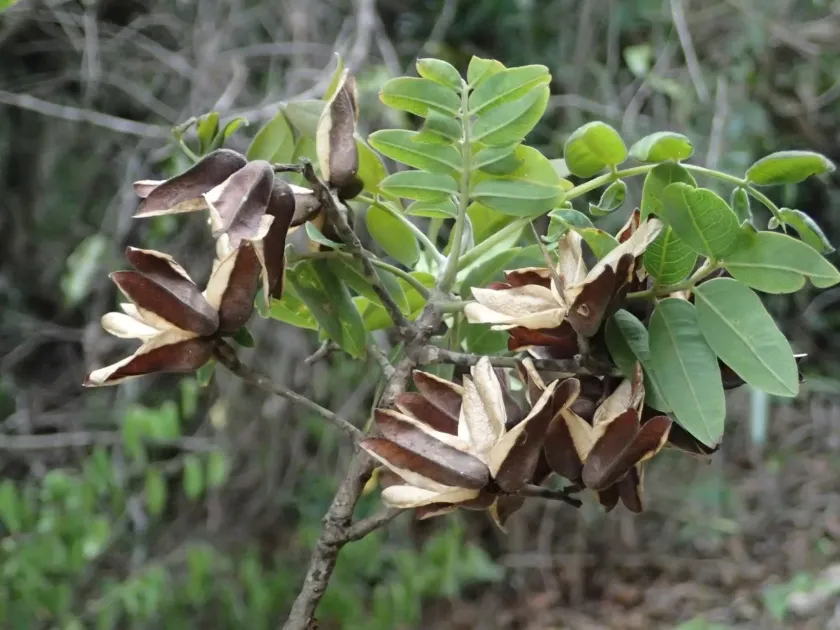
Description
Growing requirements
Cedrelopsis grevei, commonly referred to as Katay, is a distinct tree species within the Rutaceae family. It is an endemic plant species found exclusively on the island of Madagascar, holding significant ecological importance in its native dry forests.
The tree thrives in tropical environments characterized by distinct wet and dry seasons. It is predominantly located in the western and southern regions of the island, where it is highly adapted to semi-arid conditions and high solar intensity.
Regarding soil requirements, Cedrelopsis grevei prefers well-drained, sandy, or rocky substrates. It possesses a high tolerance for nutrient-poor soils, which allows it to colonize areas that are unsuitable for less resilient agricultural or forest species.
Botanically, this species is noted for its pinnate leaves and dense, decay-resistant wood. These adaptations are evolutionary responses to the water scarcity typical of its natural habitat, allowing the tree to maintain physiological functions during droughts.
In terms of economic utility, the timber is highly regarded for its durability and resistance to termite damage, making it a sought-after resource. Furthermore, its bark contains bioactive compounds widely utilized in Malagasy traditional medicine.
Main diseases and pests
The primary threat to the sustainability of Cedrelopsis grevei populations is over-exploitation by the timber industry. Without strictly enforced harvesting quotas, the natural replenishment rate cannot keep pace with the extraction demand.
Wood-boring insects represent a significant biological threat, as they compromise the structural integrity of the trunks. These pests facilitate the entry of pathogens that can lead to systemic disease within the wood tissue.
Fungal infections also pose a notable risk during the brief, high-humidity periods of the year. These pathogens target the bark, potentially leading to necrosis and weakening the tree's overall defense mechanisms against environmental stressors.
Wildfires triggered by agricultural expansion and climate-related drought cycles severely limit seedling survival. This loss of recruitment potential is a critical issue for the long-term viability of the species in the wild.
Conservation strategies are essential to protect the remaining stands. These include reforestation programs and efforts to promote sustainable harvesting practices that ensure the species remains a productive resource for future generations.